


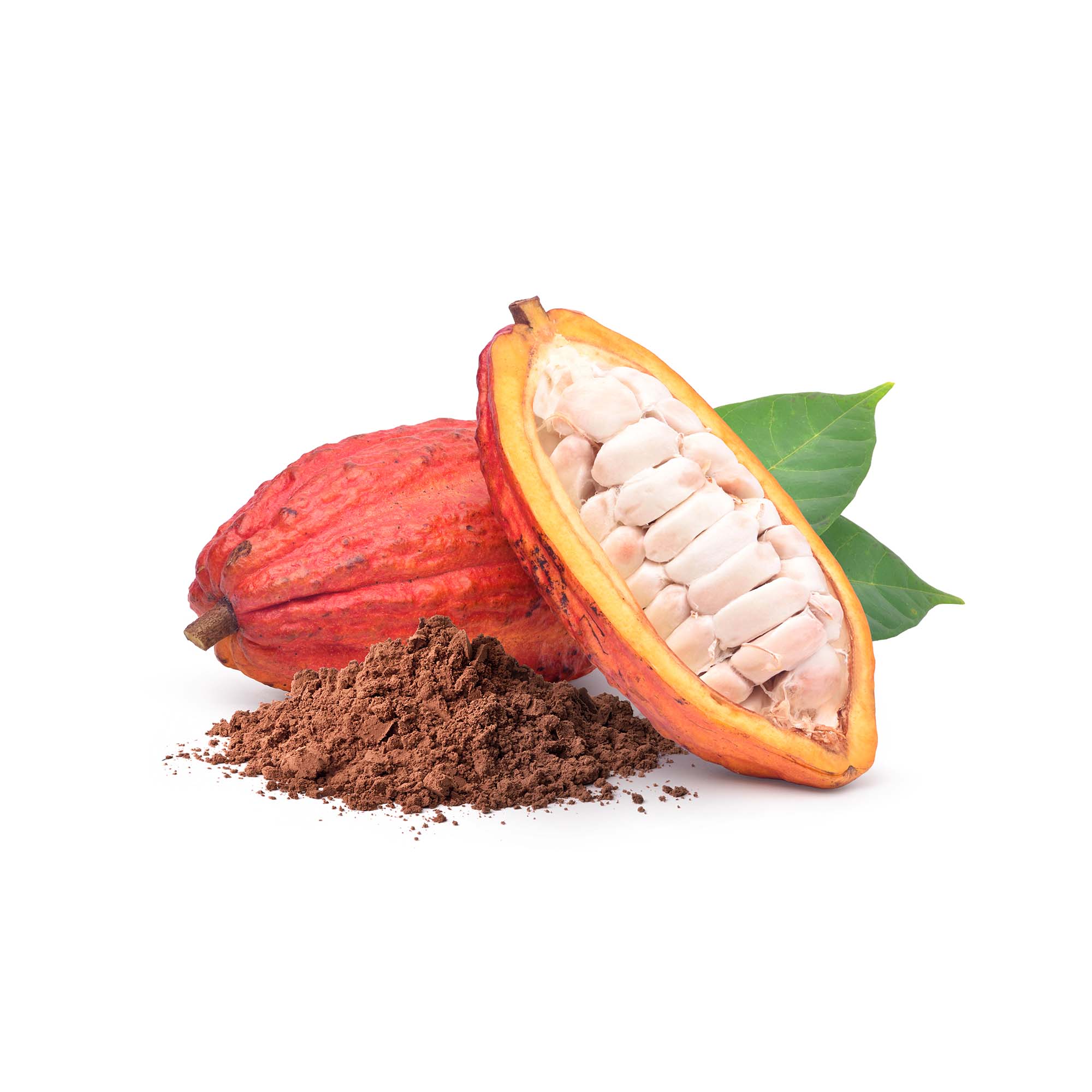
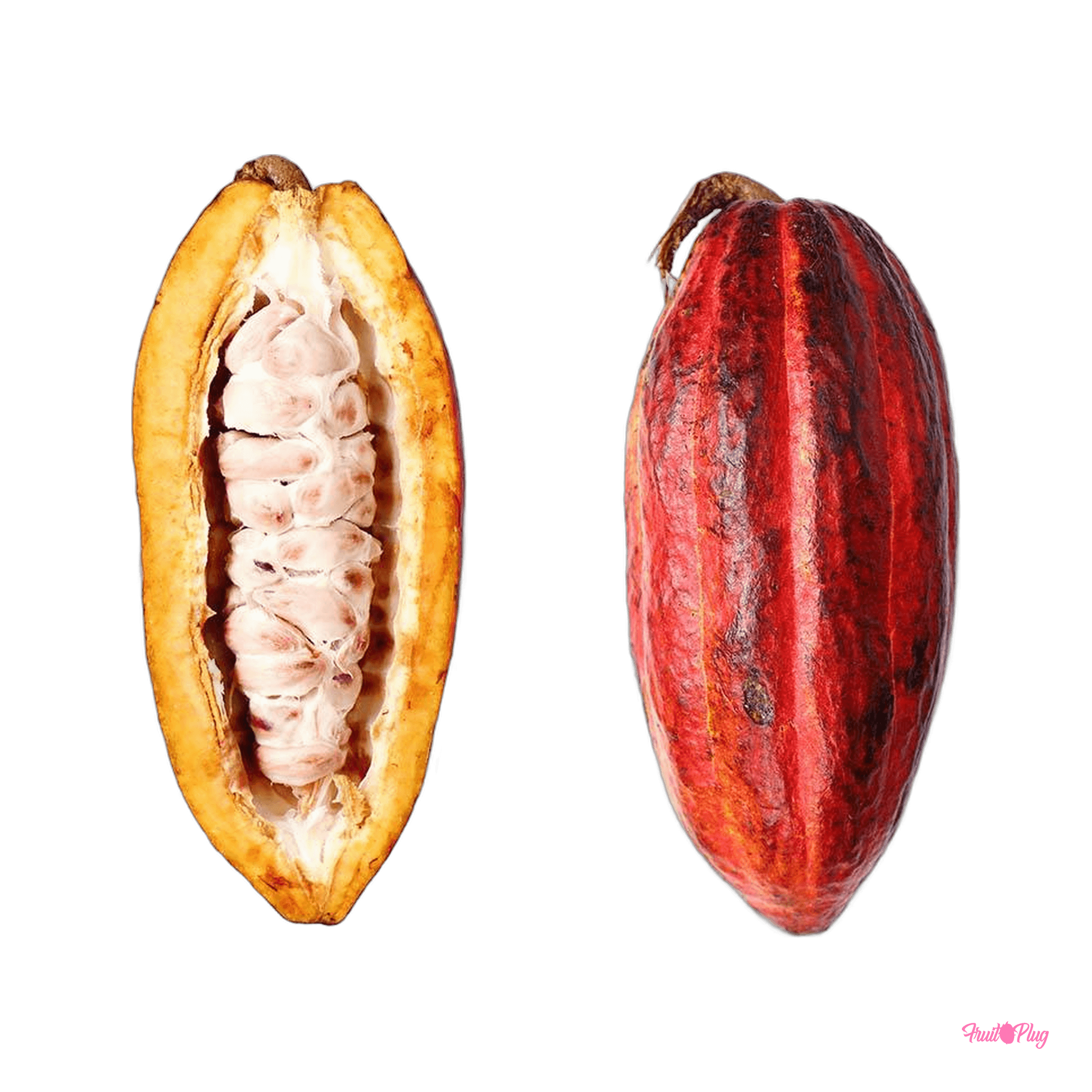
The original chocolate, in its raw form. Long ridged pods open onto sweet white pulp wrapped around the beans — the pulp eats like lychee sorbet, the beans are what becomes chocolate once they're fermented and roasted. Rarely seen outside the cacao belt, almost never sold whole in the UK.
Ripening & storage
Non-climacteric — eat as-is- Ripeness cue
- Pod sounds hollow when tapped; colour deepens green to orange-yellow.
- Storage
- Cool dry spot — pods keep 1–2 weeks intact.
About Super-rare cacao pods
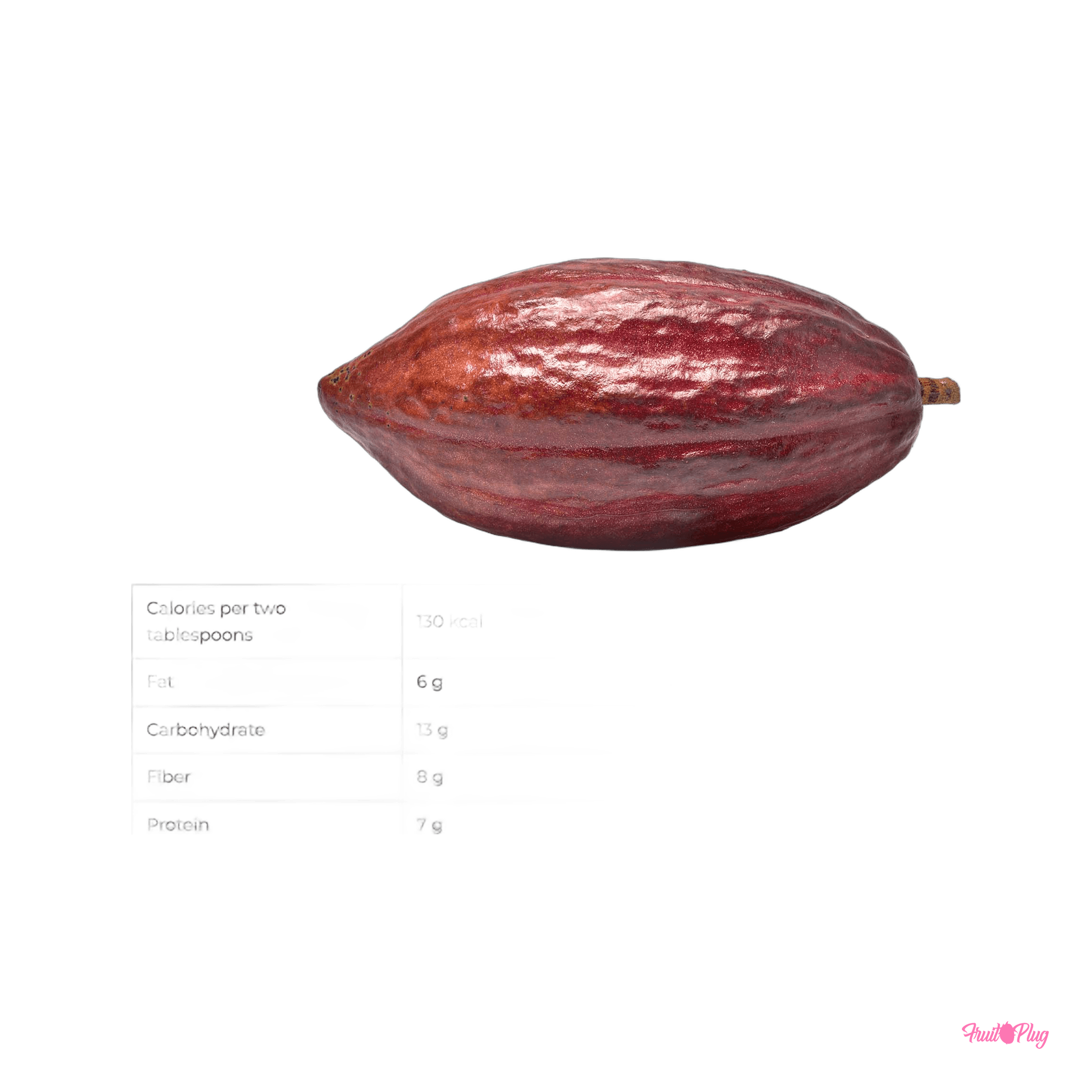
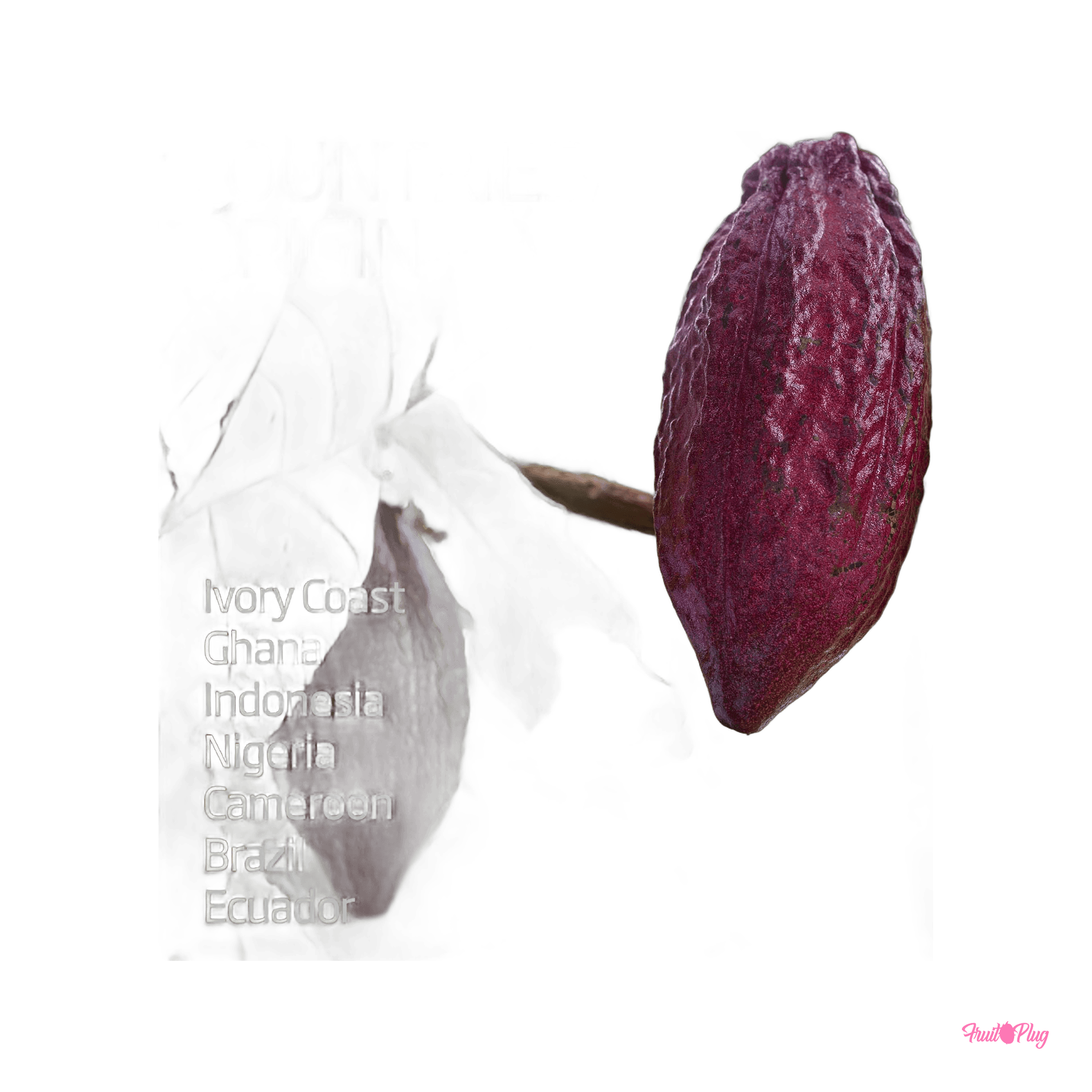
Cacao pods (Theobroma cacao) are where every chocolate bar starts. Each pod is around 15–25cm long, ridged, ranging from yellow to deep red-purple depending on cultivar, and contains 30–50 seeds (the cocoa beans) suspended in a sticky, sweet white pulp.
The surprise for almost everyone is the pulp. It tastes nothing like chocolate — it eats like lychee sorbet, with hints of mango, passion fruit and pineapple, and is wildly aromatic. This is the part you eat fresh. The beans inside the pulp are bitter and astringent at this stage; chocolate flavour only develops after fermentation, drying and roasting.
Crack the pod with a heavy knife or by knocking it on a countertop, prise it open, suck the pulp off each bean. Spit the bean, or save a cluster to ferment if you're committed. Pods are extremely seasonal and rarely shipped fresh outside cacao-growing countries — when they're available, they're available.
Did you know?
- Native to the tropical Americas and first domesticated over 5,300 years ago in equatorial South America.
- Three historical groups: rare fine-flavour Criollo, bulk-producing Forastero (around 80% of world chocolate) and the hybrid Trinitario.
- Theobroma translates as 'food of the gods' — Aztec communities used cacao beans as currency, which made counterfeit beans a real problem.
Sources: Wikipedia
How to eat
Below are the general steps that work across most kitchens. The description above is the source of truth for any cultivar-specific detail — cross-check before you cut.
1. Check ripeness
Use the cues in the description above. As a rule, exotic fruits do most of their ripening off the tree — give them a day or two at room temperature if they feel firmer than expected.
2. Wash and chill
Rinse under cold water, pat dry, and chill before serving. Cold flesh holds shape better when sliced and brings the aromatic notes forward.
3. Cut, scoop or peel
Follow the technique described above. If in doubt, halve crosswise with a sharp knife and taste a spoonful before committing to a full prep.
4. Pair simply
A squeeze of lime, a pinch of salt, or a drizzle of honey will lift almost any tropical fruit. Match strong cheese, cured meats or yoghurt for a board; keep flavours minimal when the fruit is the star.
From the Cacao & mallows family: Suck the pulp off each seed; spit the bean or save a handful to ferment if you want to chase the chocolate.
Buy this fruit
Sourced ripe and graded by hand. UK next-day delivery on every order placed before the daily cutoff.