

Welcome to the Tropics
Recipes & guides
Thirty-two hand-written preparation guides for the strangest fruits we ship — how to spot ripeness, where to cut, what to pair, and the quietly perfect way to serve each one. Pick a family below or browse the lot.
From the kitchen
Two Sumo Citrus, a drizzle of honey, flaky sea salt. The Tokyo café dessert.
Salak peeled, sliced, dressed with lime and a pinch of salt. Indonesia's daily fruit dish.
Halved feijoas scooped over softly whipped cream with vanilla. The dessert New Zealand kept to themselves.
The chef's bar staple — half a finger lime squeezed over each oyster. Citrus pearls, sea, done.
Cacao pulp tastes like lychee meets pineapple — blended into a lassi it's the most surprising drink at any table.
Atemoya pulp on Greek yogurt with toasted coconut and a drizzle of honey.
Two passion fruits, a spoon of cream, one slice of cheesecake. Restaurant finish, 5 minutes.
The dinner-party cocktail — three pieces of each fruit, dry vodka, no syrup needed.
Three dragon fruits, lime, no ice cream maker required. Vivid magenta, clean, refreshing.
The Latin-American staple — soursop pulp blended with coconut milk and a squeeze of lime.
The Tokyo café staple — half a Taiyo-no-Tamago on a thick slice of shokupan with mascarpone.
The traditional way — port-purple shell, snow-white segments, no other ingredient required.
Preparation guides
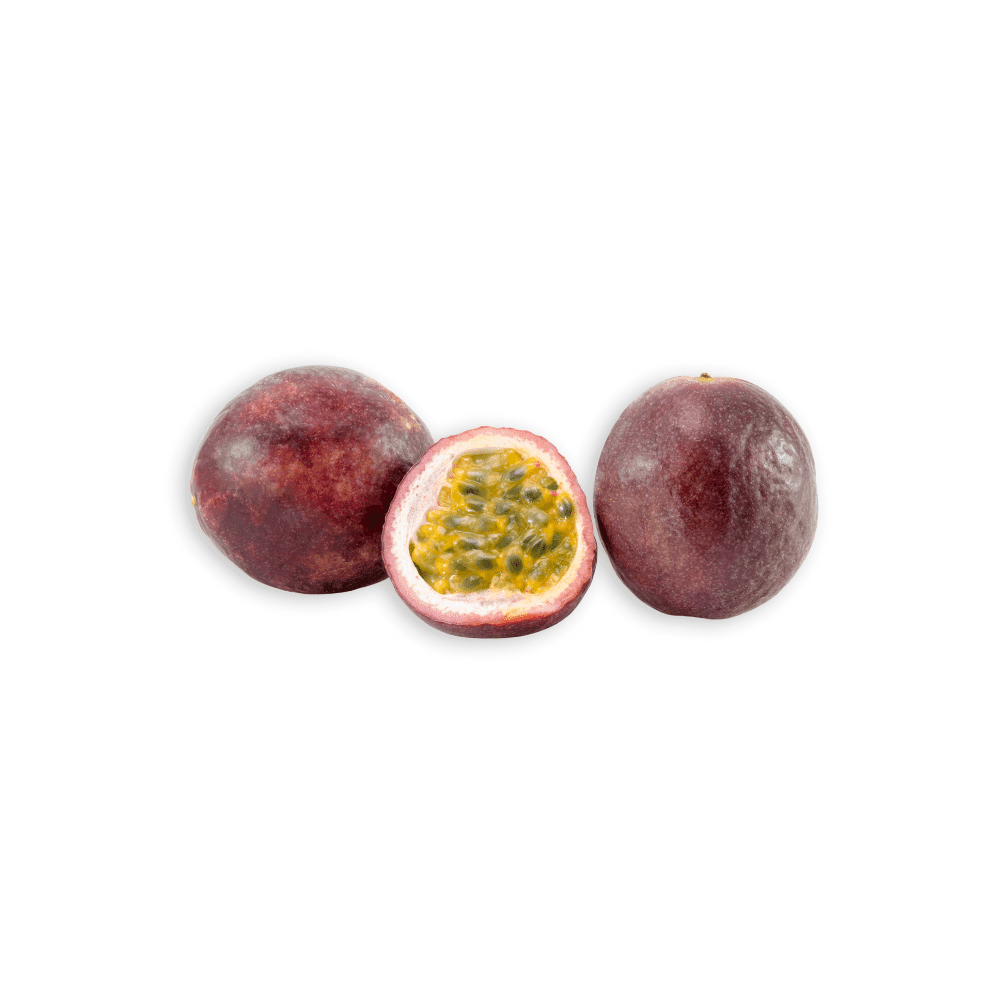 Passion fruit family
Wrinkled purple skin gives away nothing.
Open the guide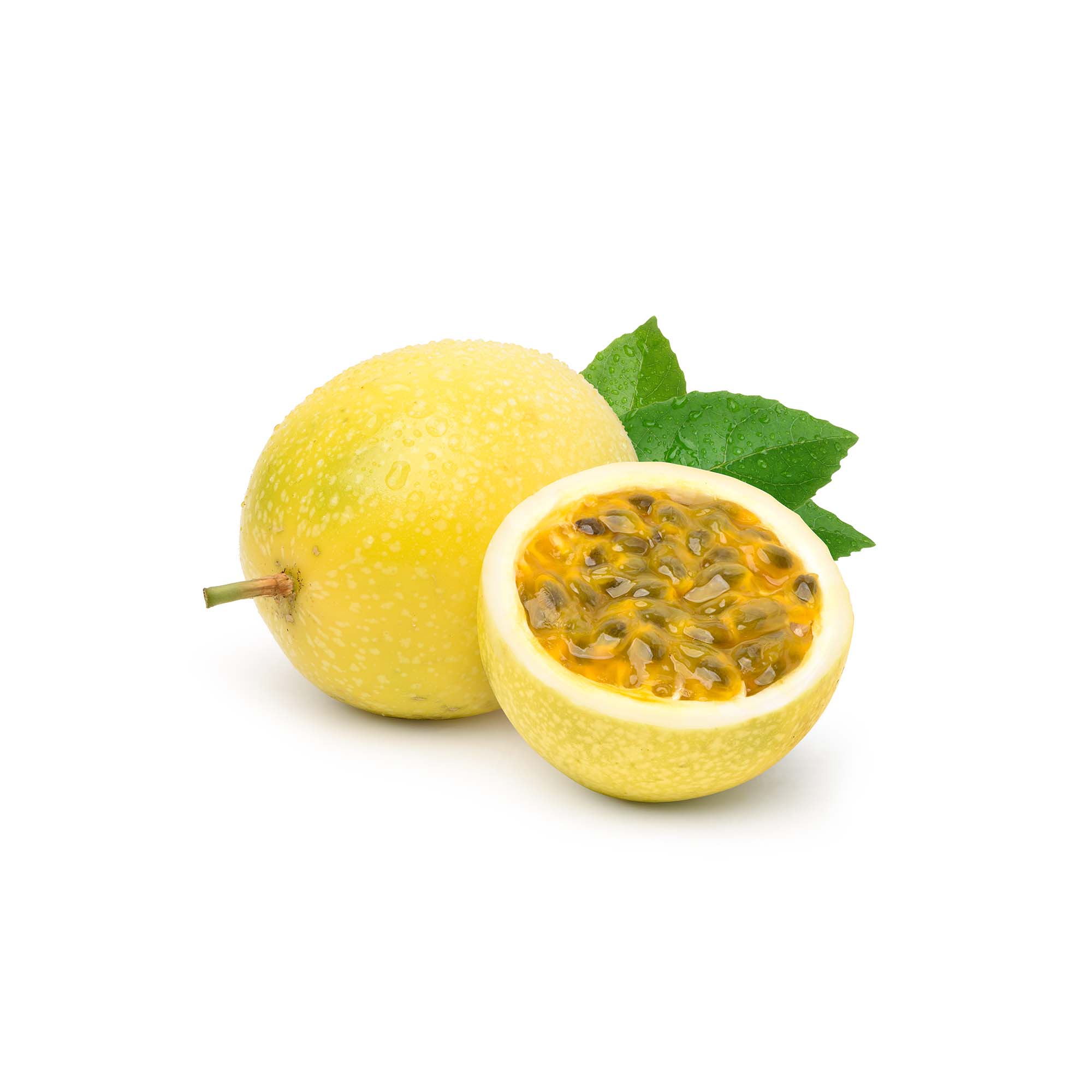 Passion fruit family
The yellow cousin of purple passion fruit — bigger, juicier, sharper.
Open the guide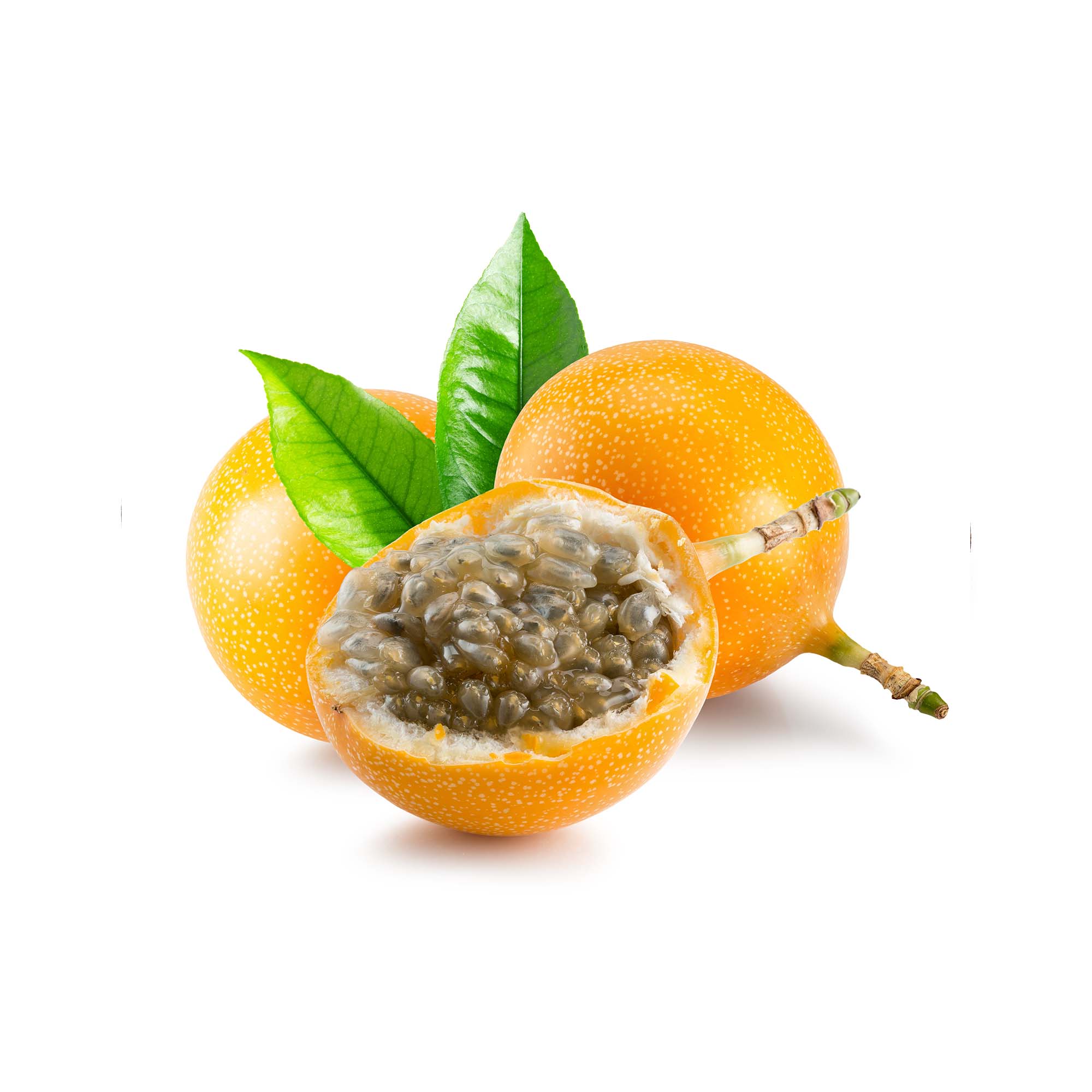 Passion fruit family
An orange passion fruit on the outside, a gentler animal on the inside.
Open the guide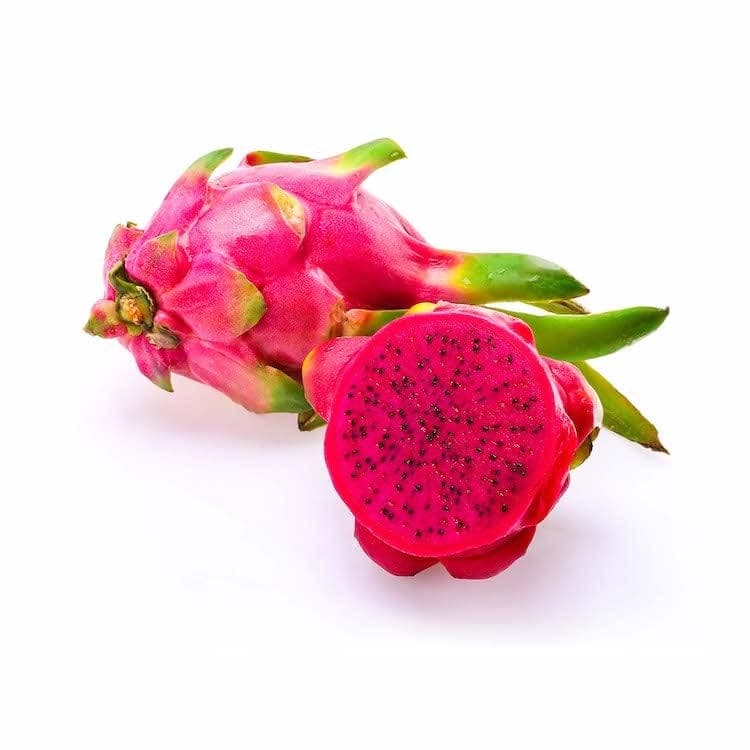 Cacti & dragon fruit
Pink leathery skin, then magenta flesh so saturated it stains the chopping board.
Open the guide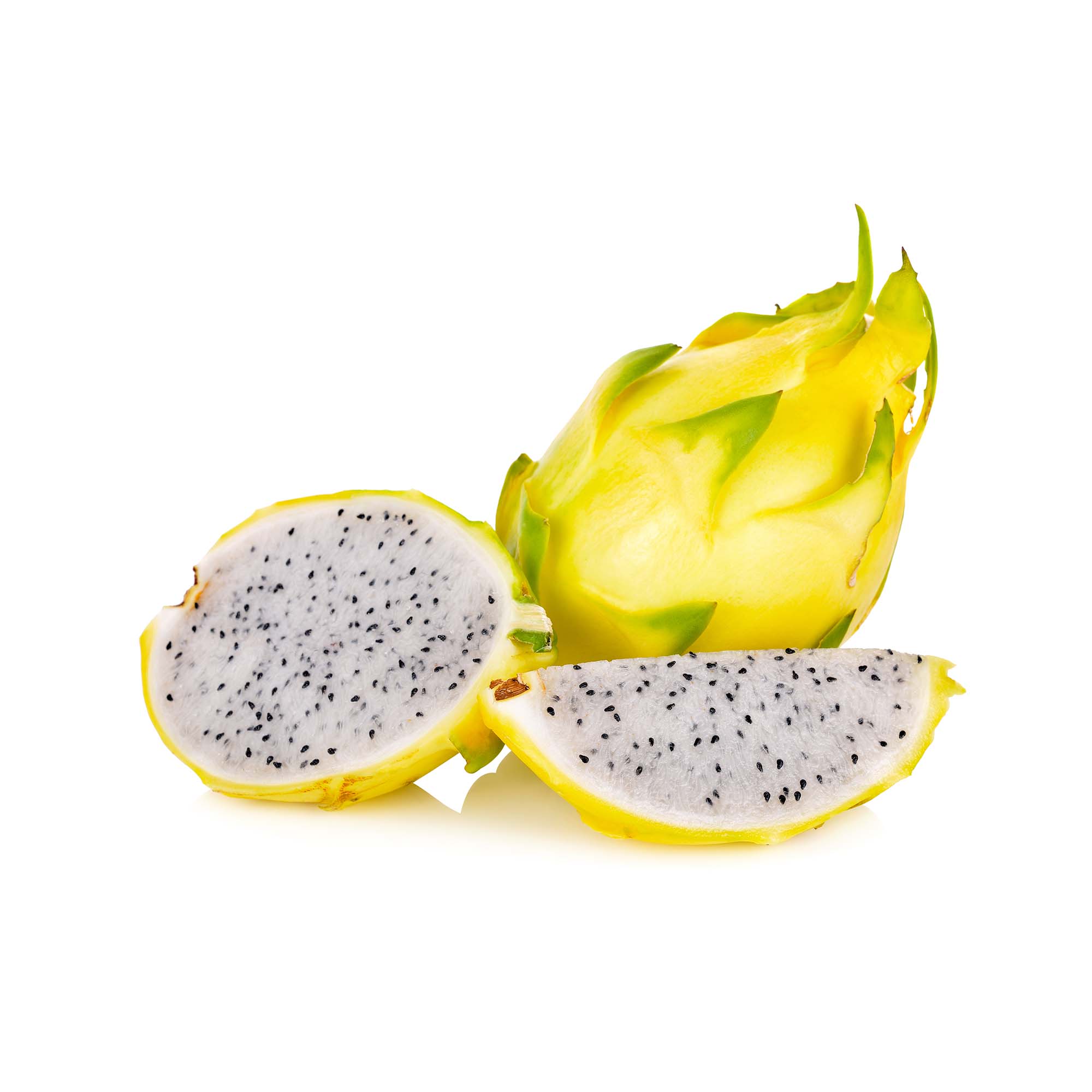 Cacti & dragon fruit
The most sugar-forward of the dragon-fruit clan.
Open the guide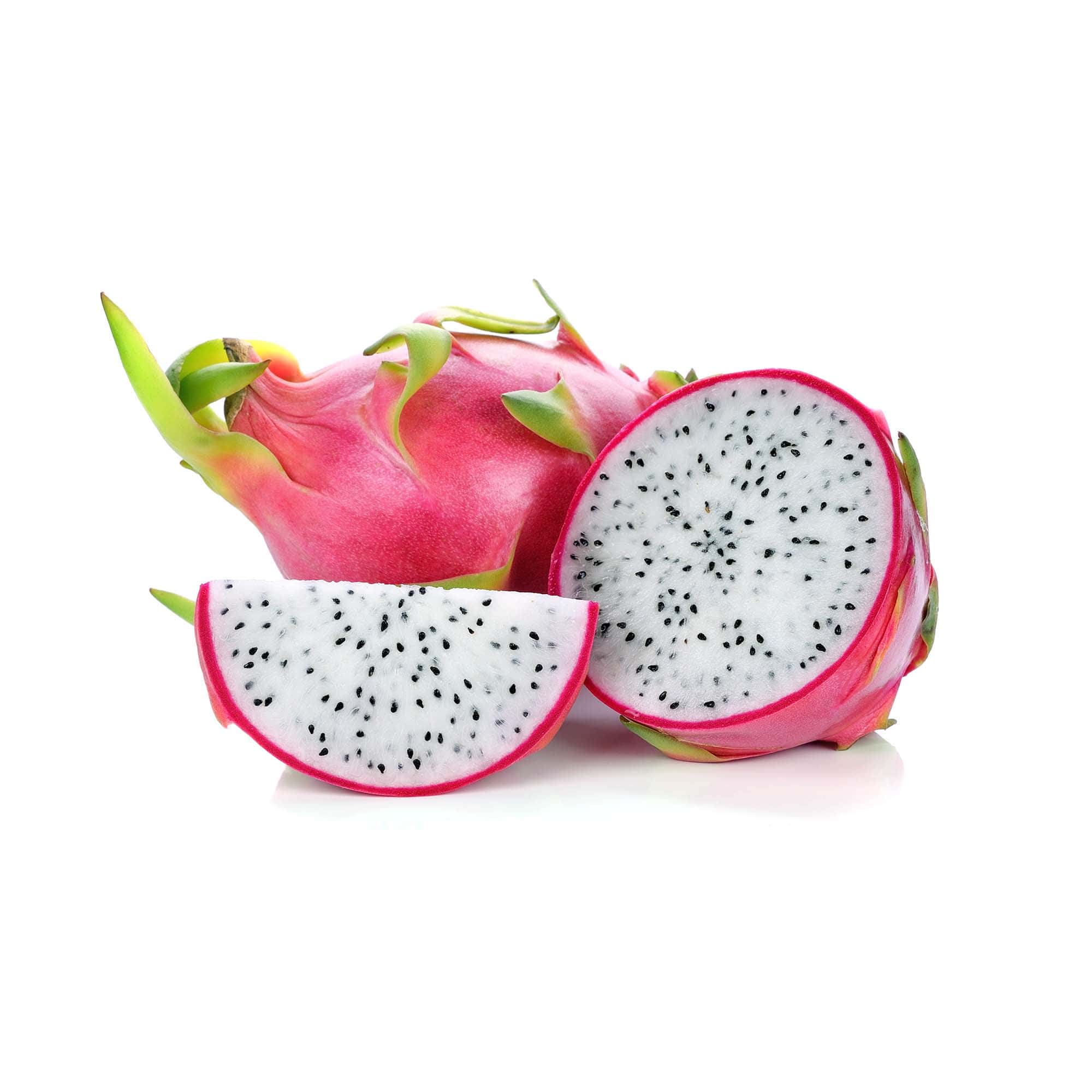 Cacti & dragon fruit
Hot-pink rind, snow-white flesh, jet-black seeds.
Open the guide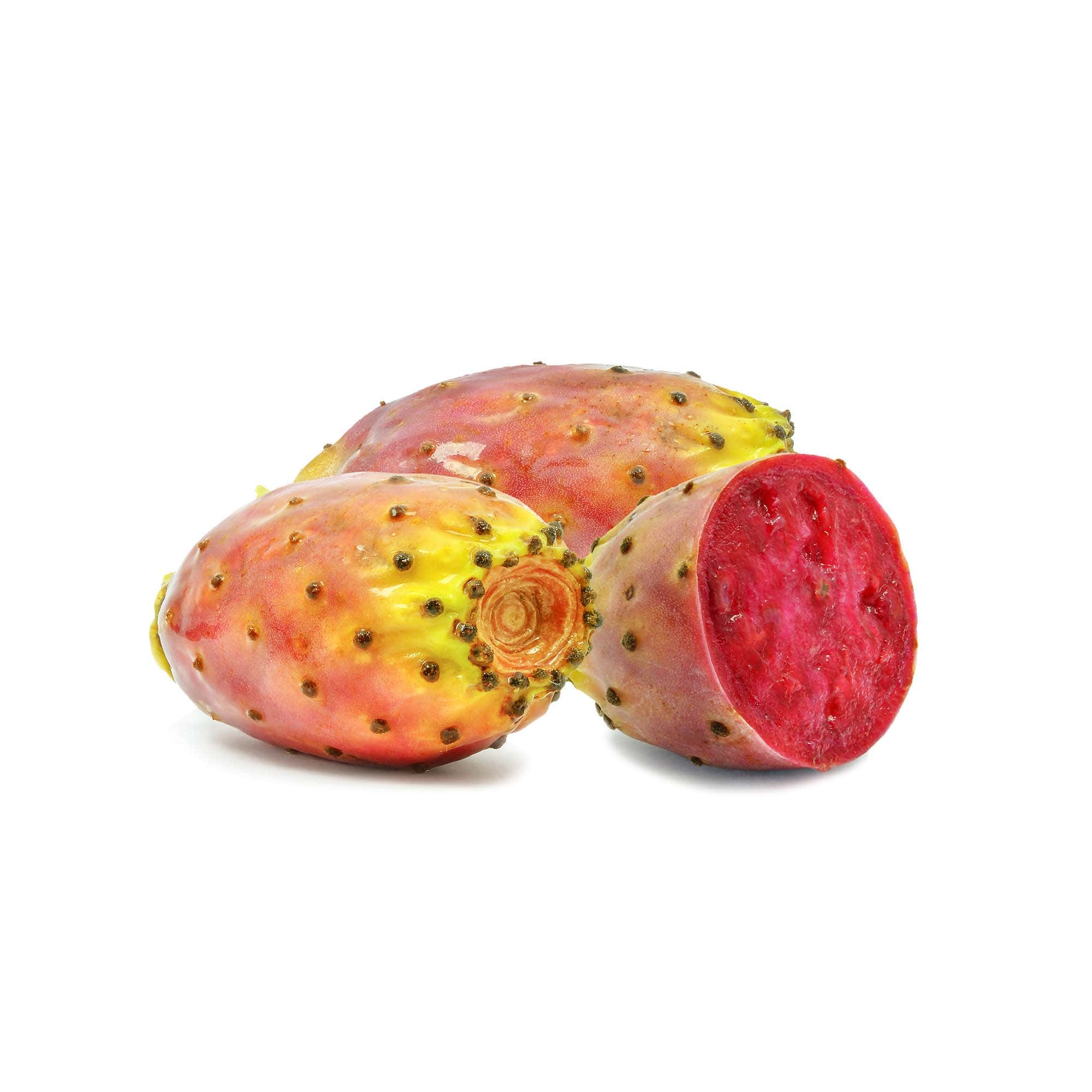 Cacti & dragon fruit
Known as tuna across Mexico.
Open the guide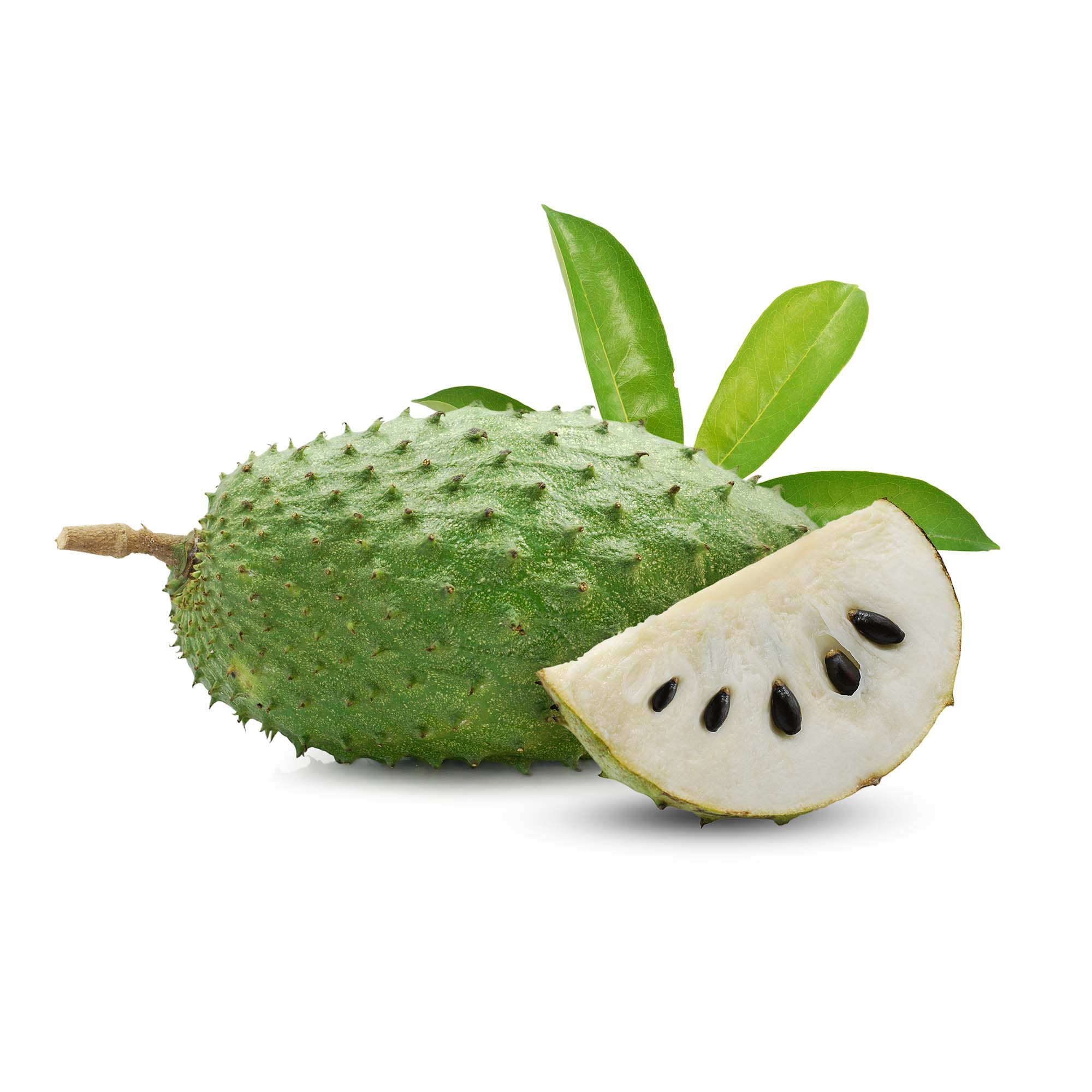 Custard apple family
Spiky green skin hides a pulpy white flesh with a flavour the Caribbean built juices around — pineapple meets strawberry meets banana cream, with a fibrous, custardy texture and a clean tartness on the finish.
Open the guide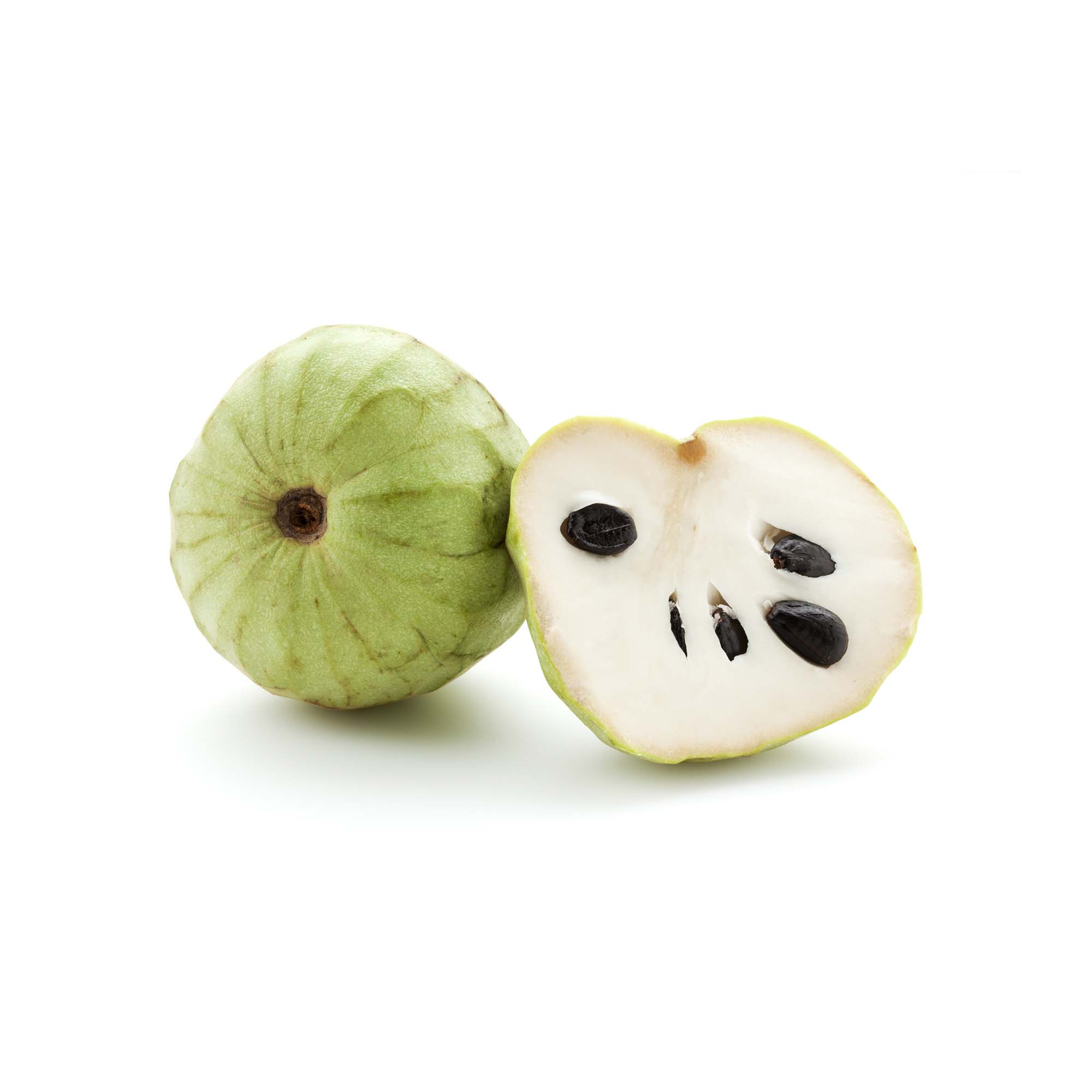 Custard apple family
Lumpy heart-shaped skin, white flesh inside that scoops out like cold custard.
Open the guide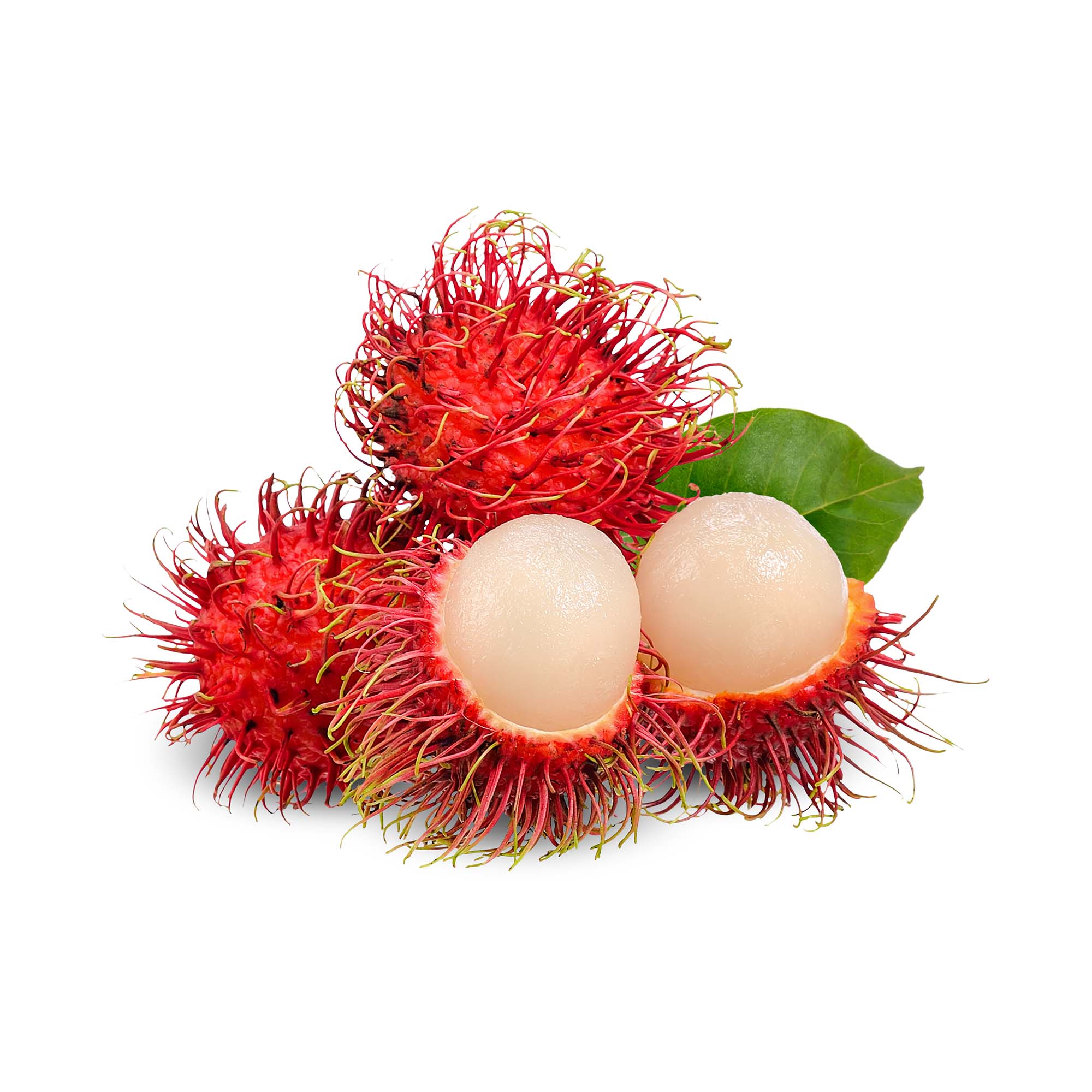 Soapberry family (rambutan, lychee)
A red shell covered in soft hairs, peeled back to reveal translucent grape-like flesh around a single seed.
Open the guide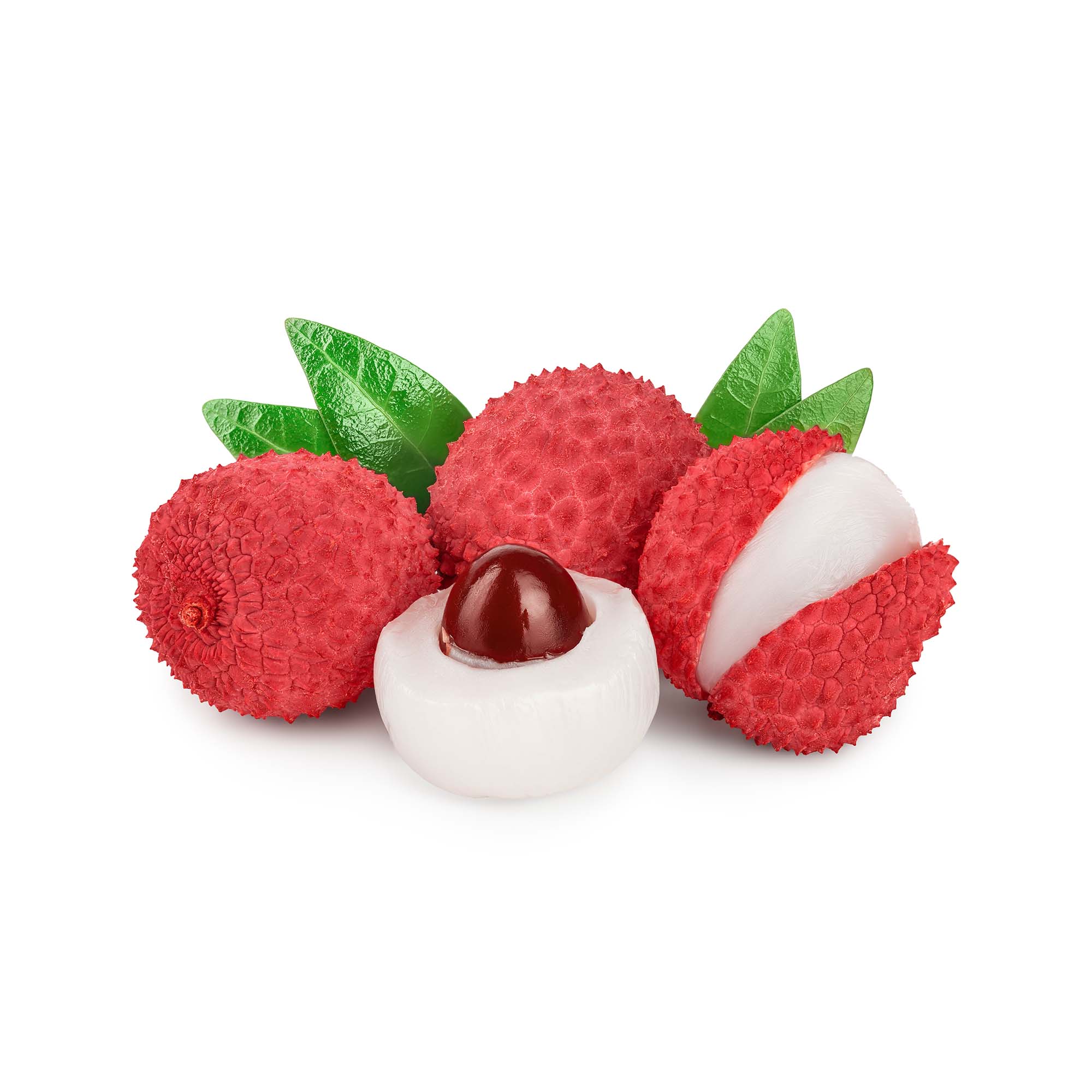 Soapberry family (rambutan, lychee)
The rose-scented summer classic.
Open the guide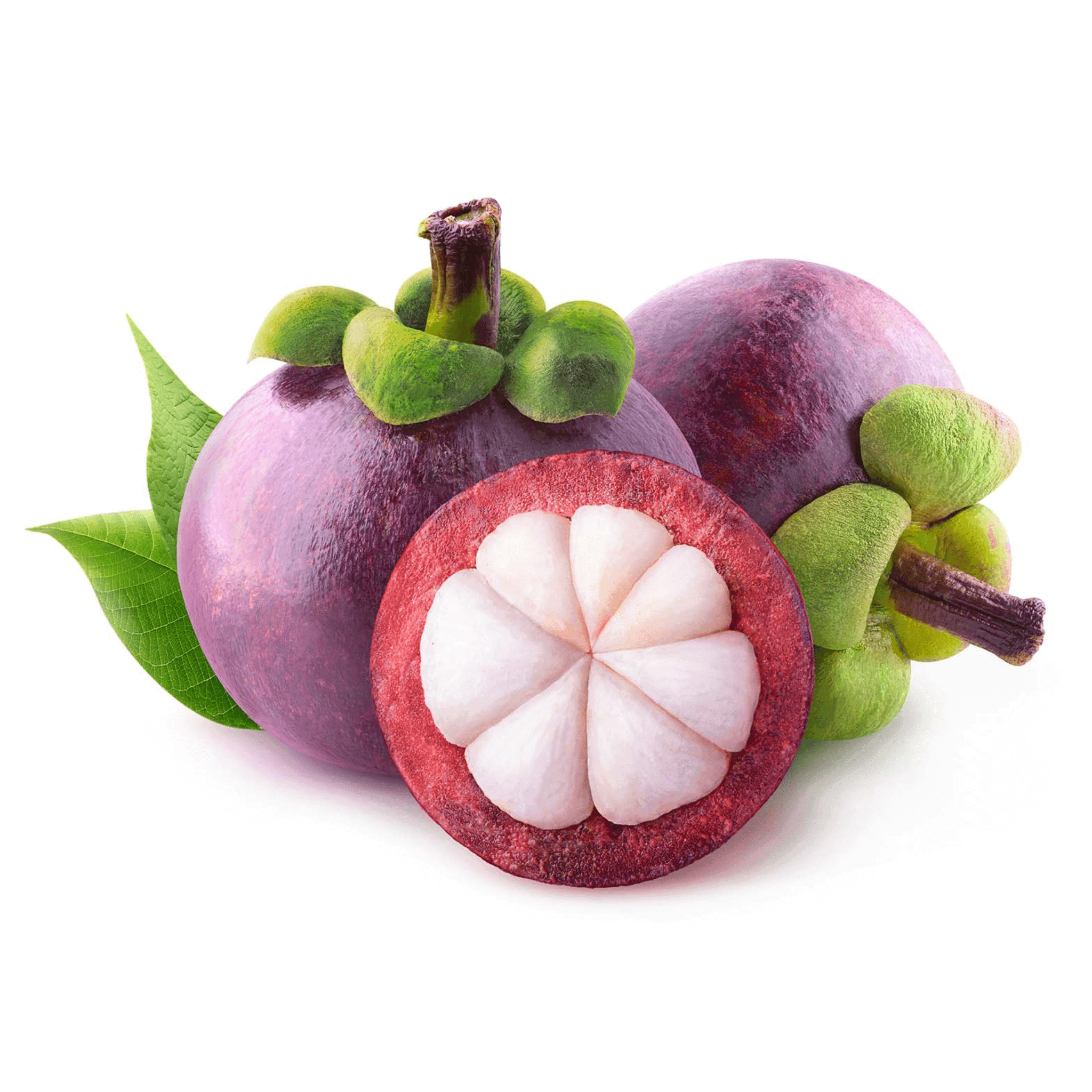 Mangosteen family
The queen of fruits, and she earns the title every time.
Open the guide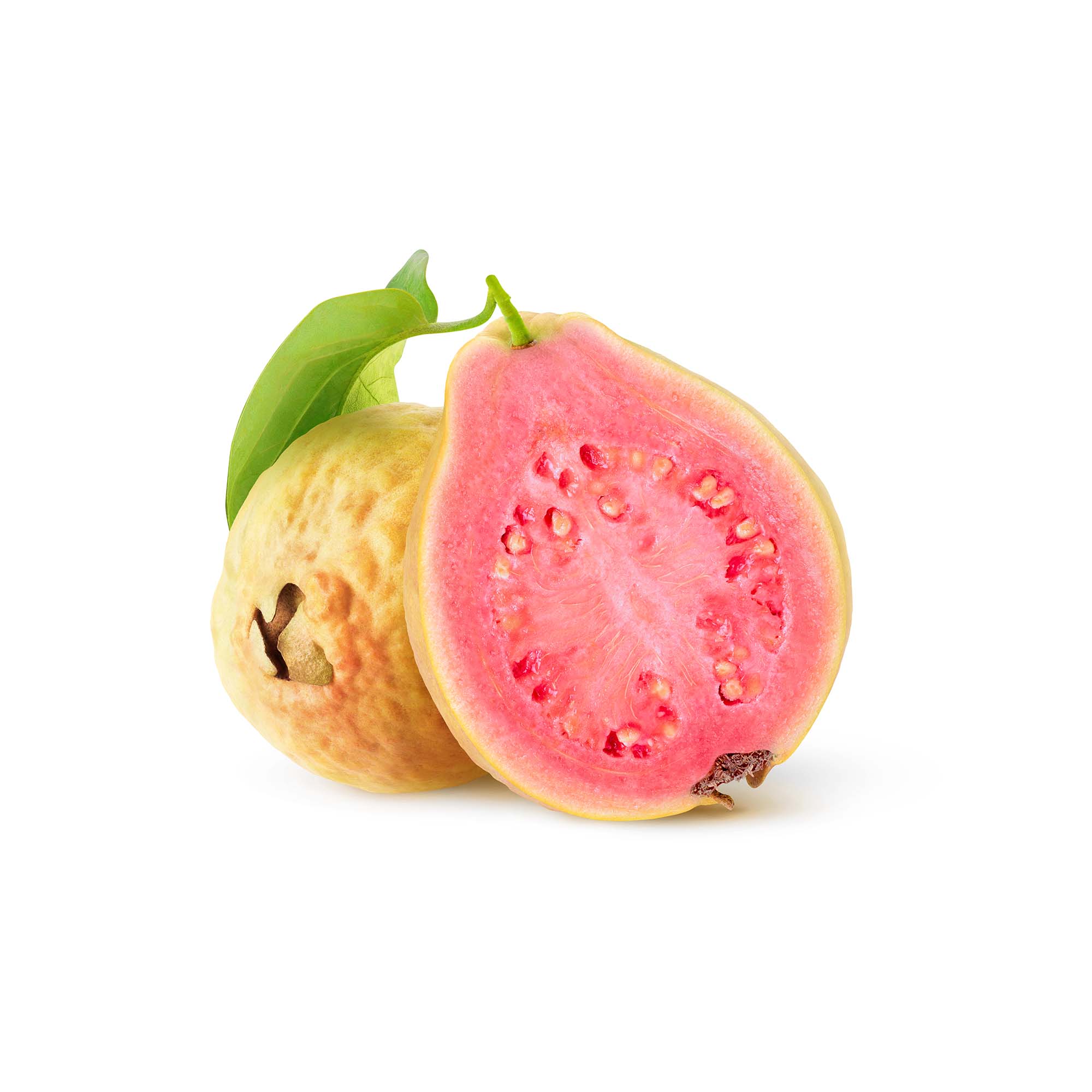 Myrtle family (guava, rose apple)
Pale green skin, hot-pink centre.
Open the guide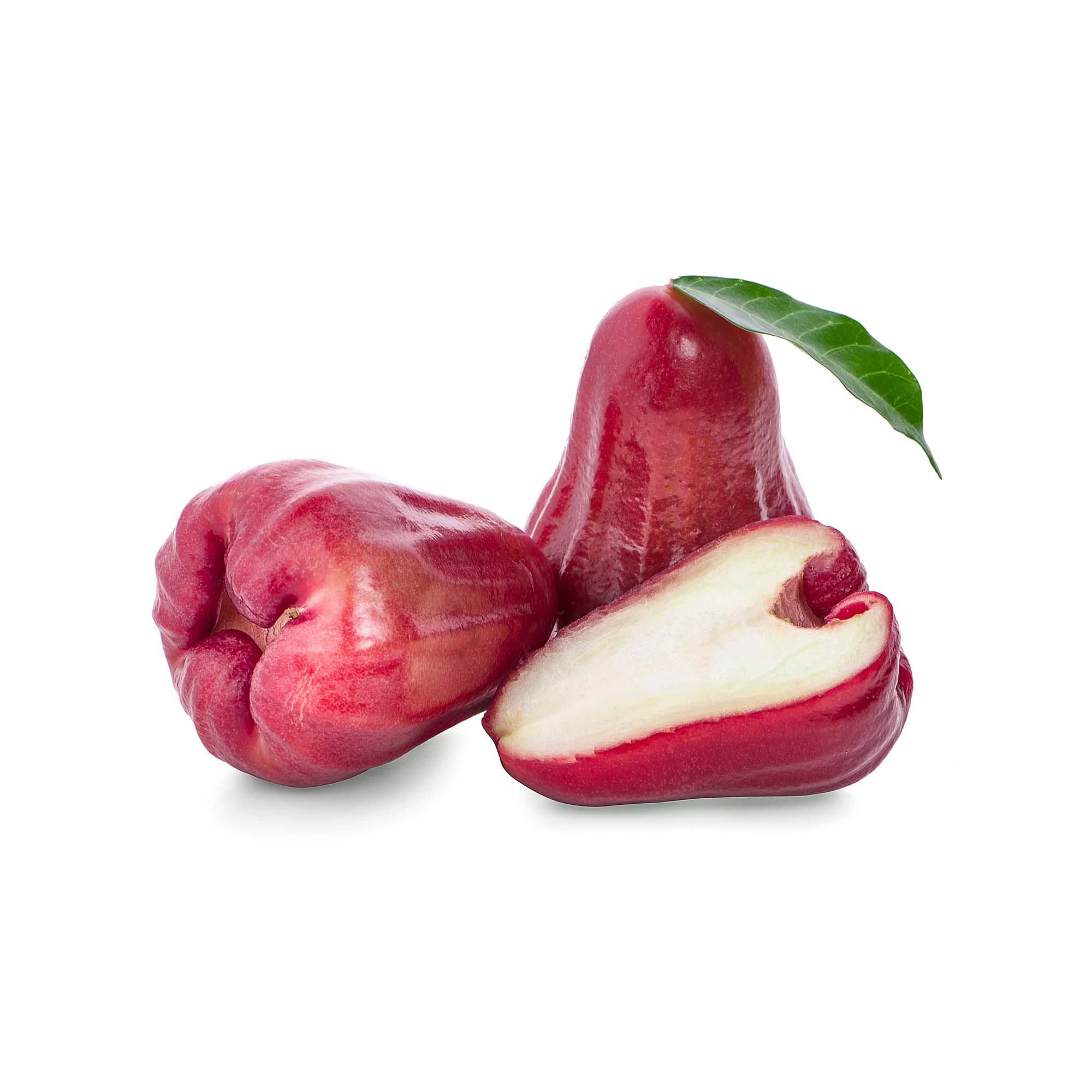 Myrtle family (guava, rose apple)
Eats like a crisp apple soaked in rosewater.
Open the guide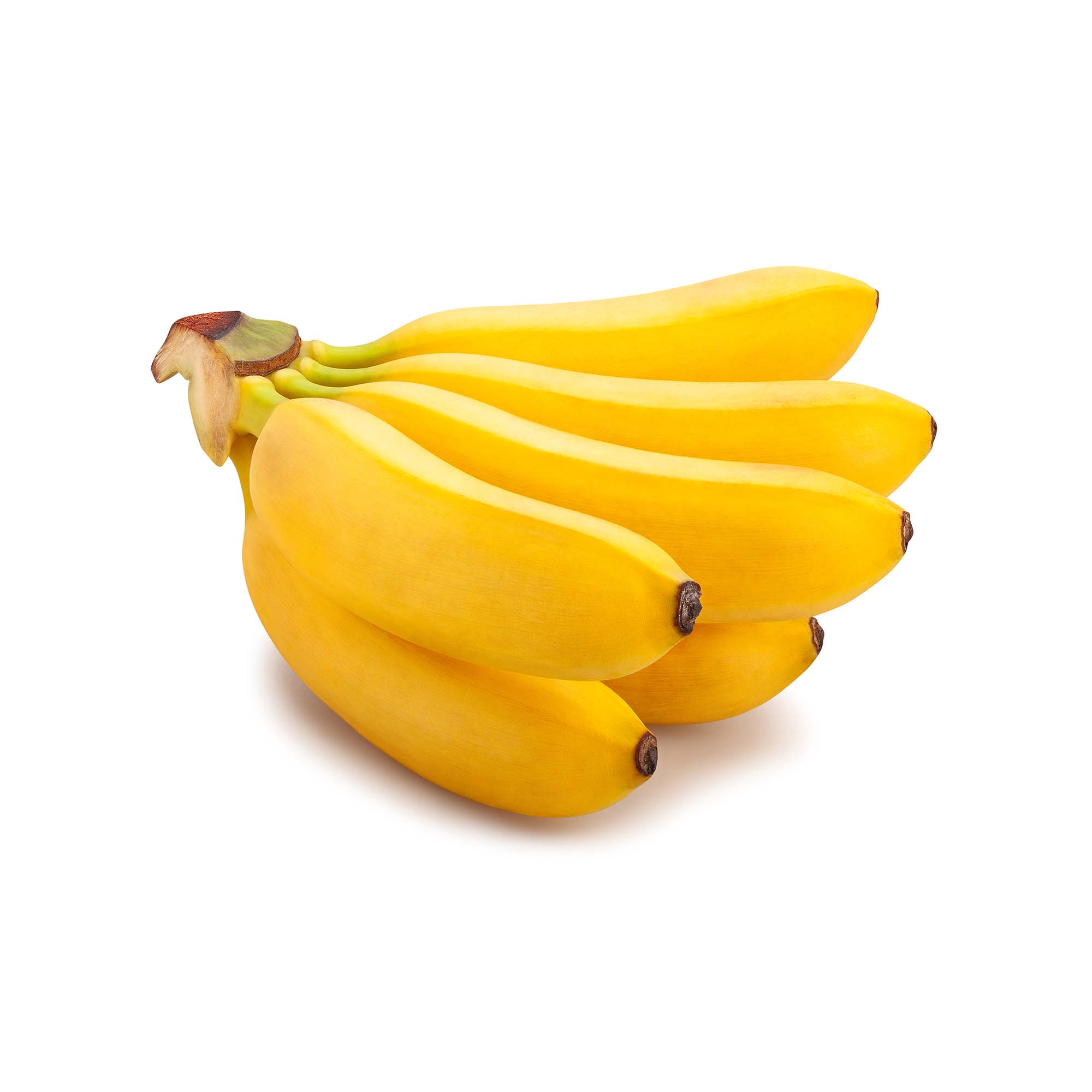 Banana family
Around four inches long and engineered for a single hand.
Open the guide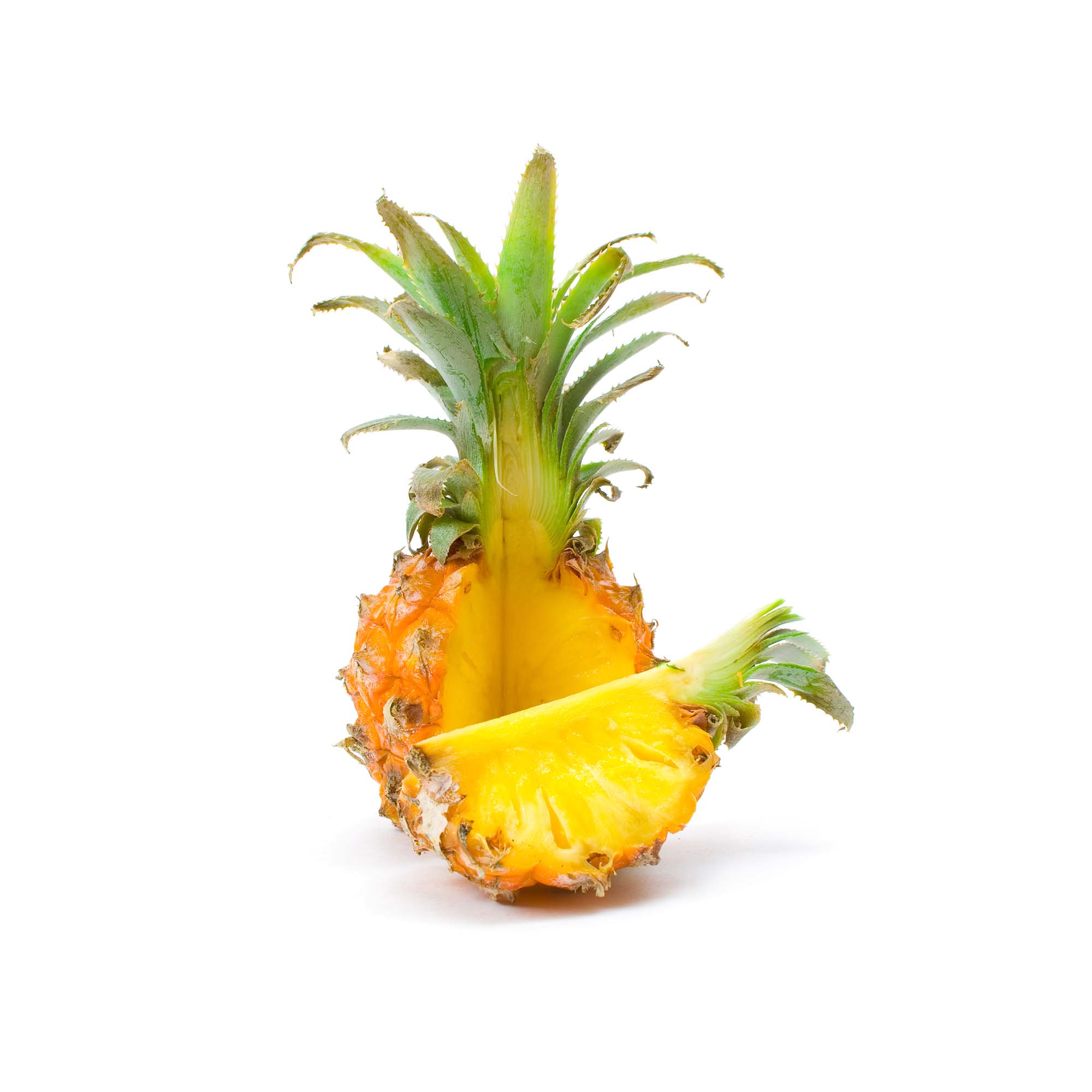 Pineapple family
Entirely edible — core included.
Open the guide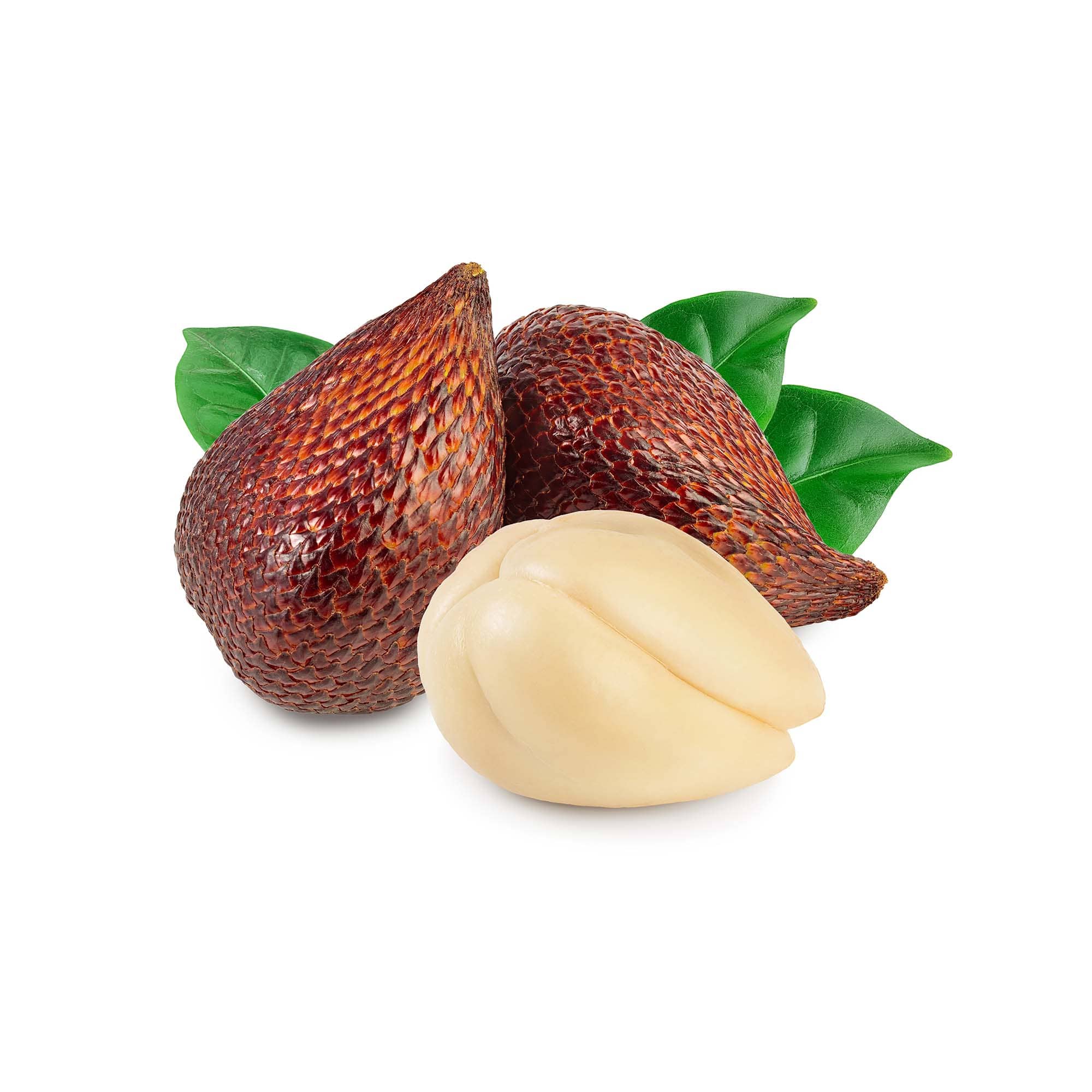 Palm family (snake fruit)
Skin like reptile scale, flesh inside that crunches like apple.
Open the guide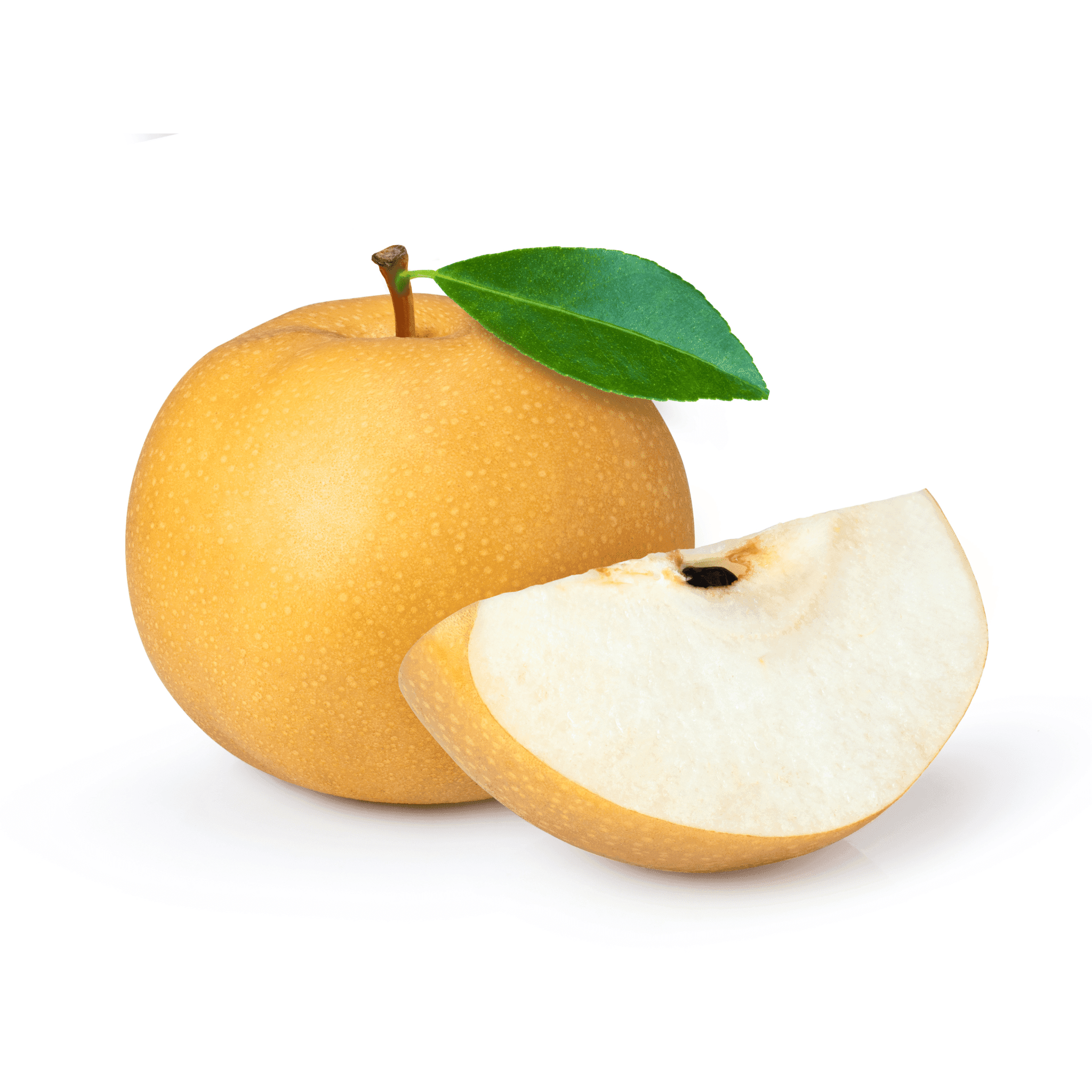 Rose family (nashi pear, strawberry, apple)
Round like an apple, snap-crisp like a water-rich pear, with a juice content that surprises everyone the first time.
Open the guide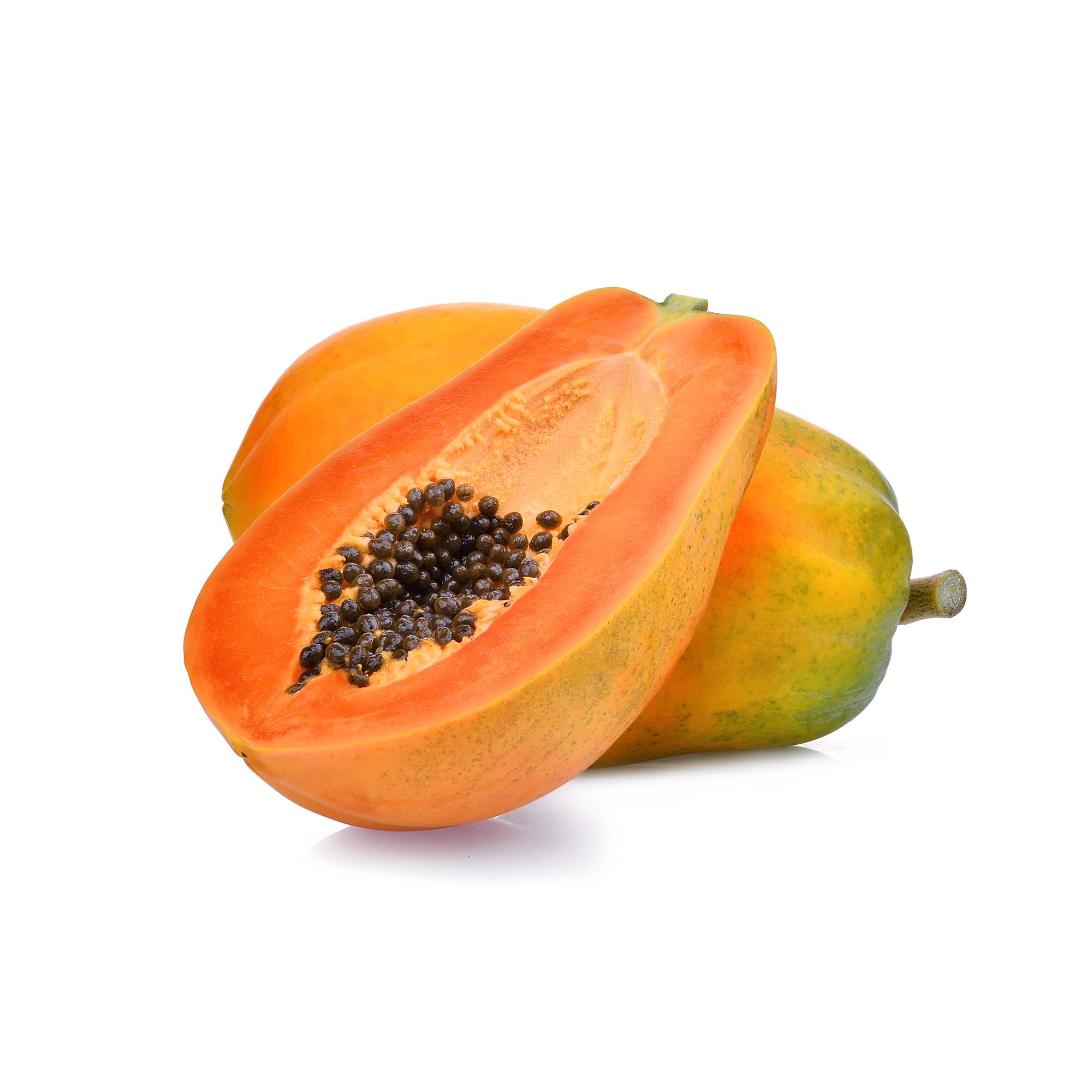 Papaya family
Halve, deseed, lime, spoon.
Open the guide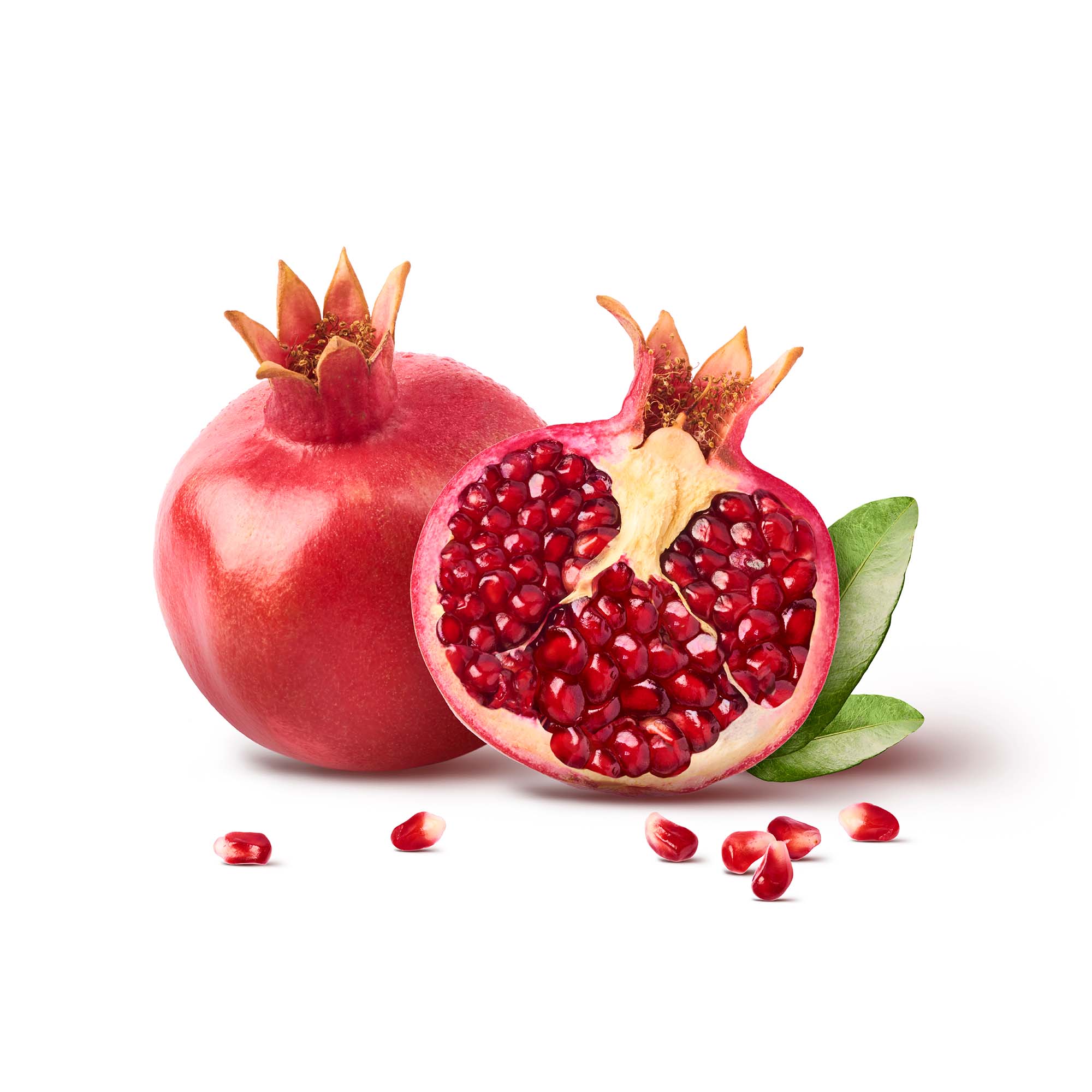 Pomegranate family
Hundreds of jewel-bright arils packed wall-to-wall under a leathery rind.
Open the guide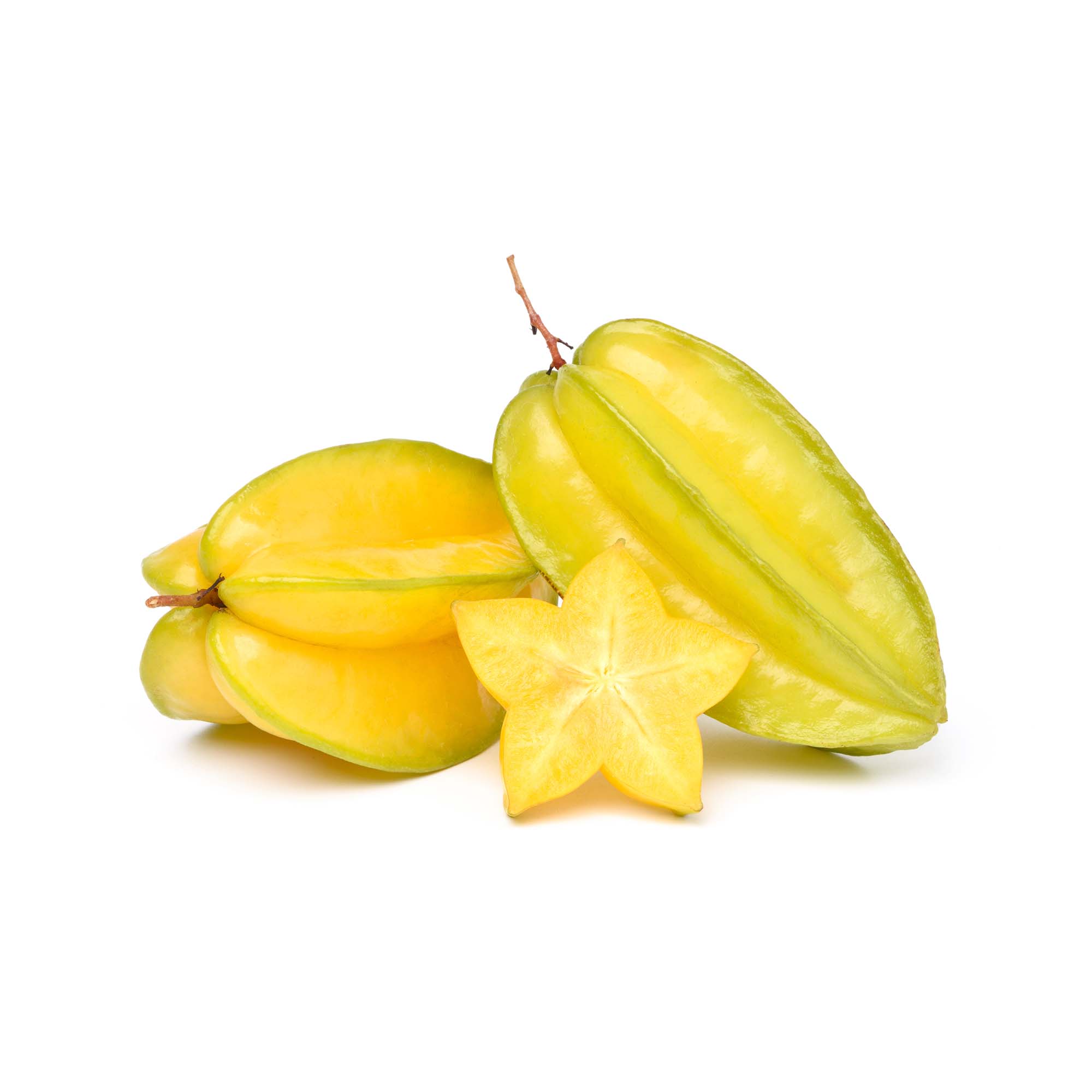 Wood sorrel family (starfruit)
Slice across the ribs and every cross-section is a perfect five-point star.
Open the guide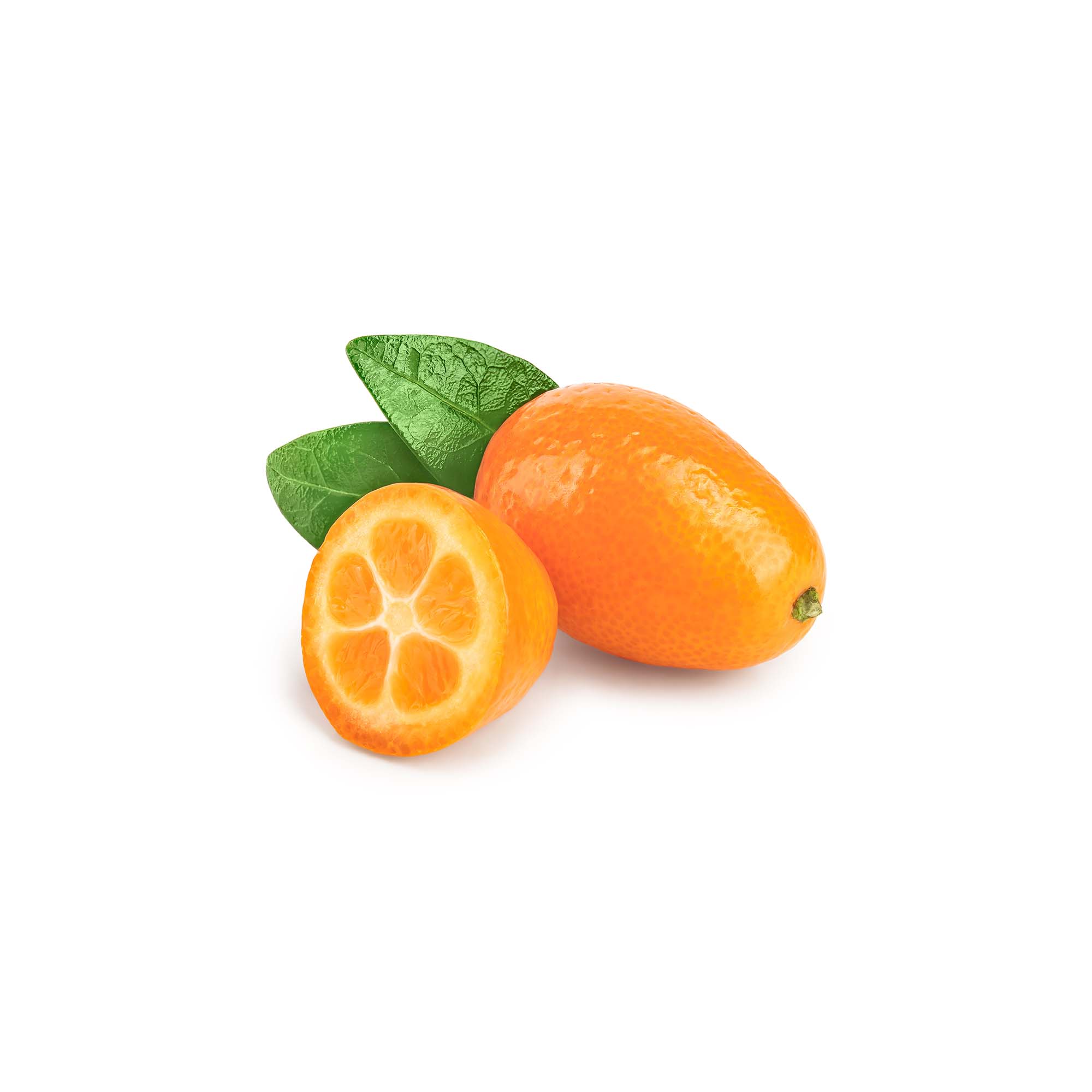 Citrus family (kumquat, sumo)
The whole-fruit citrus.
Open the guide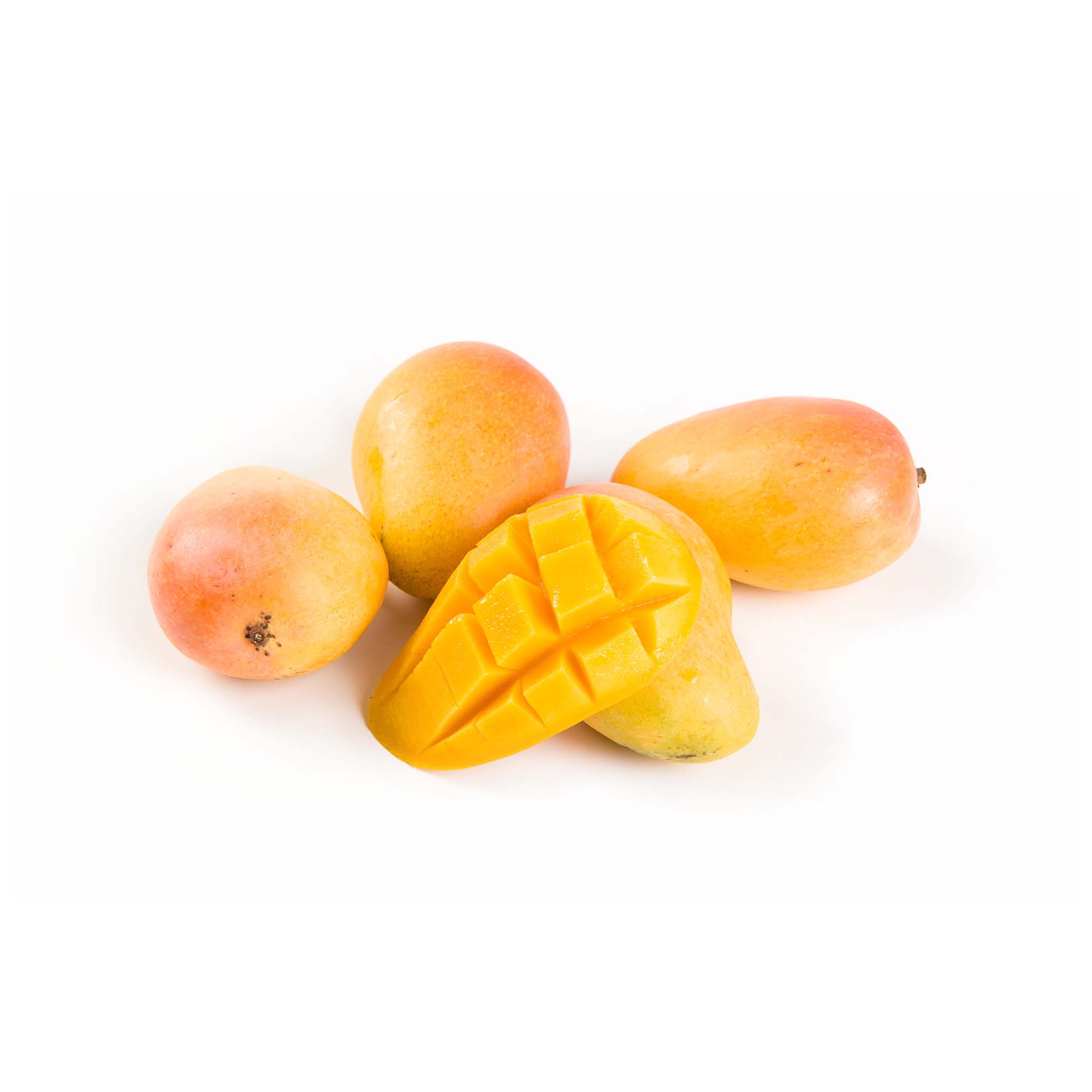 Cashew family (mango)
Alphonso-style: smaller, less fibrous, deeper orange, more aromatic.
Open the guide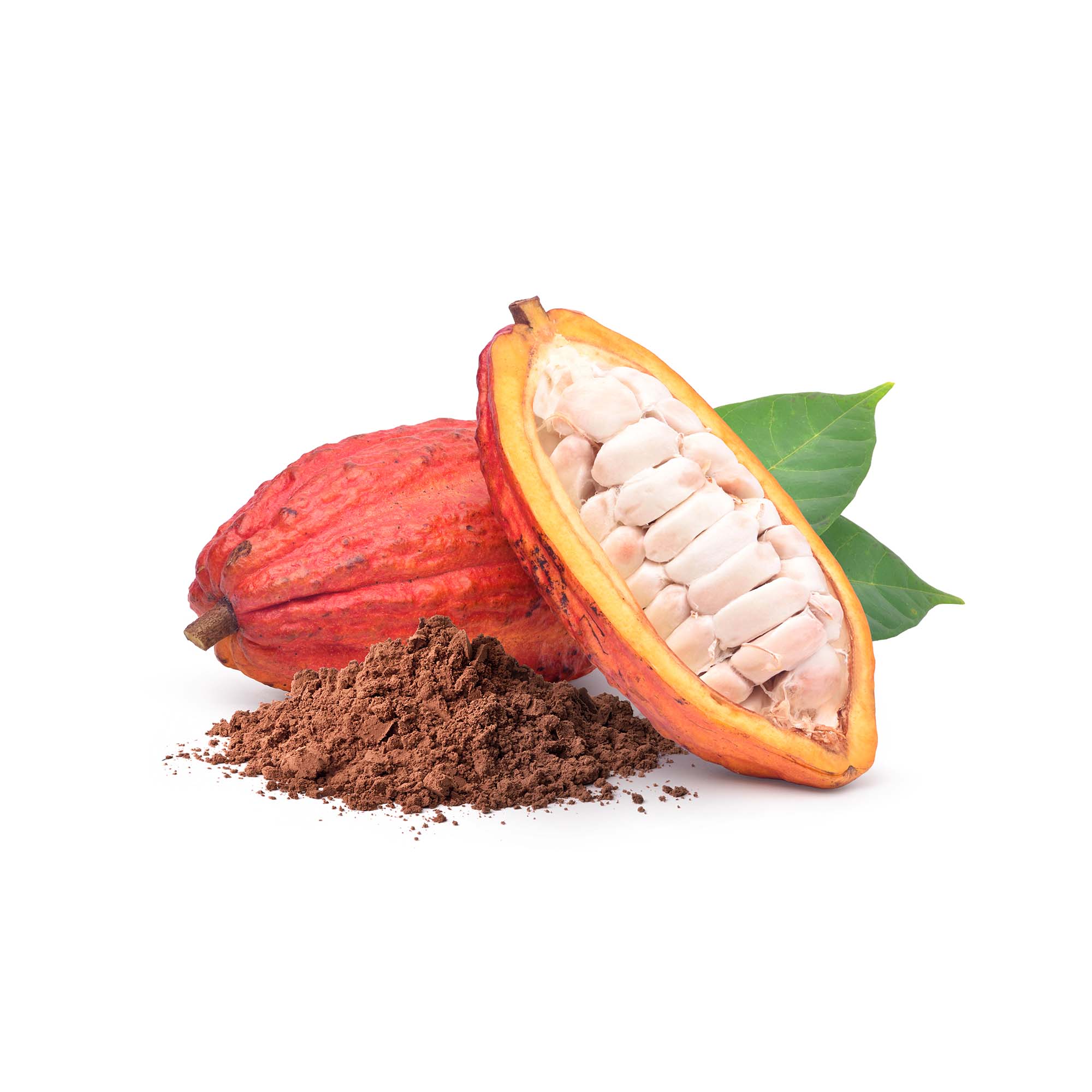 Cacao & mallows family
The original chocolate, in its raw form.
Open the guide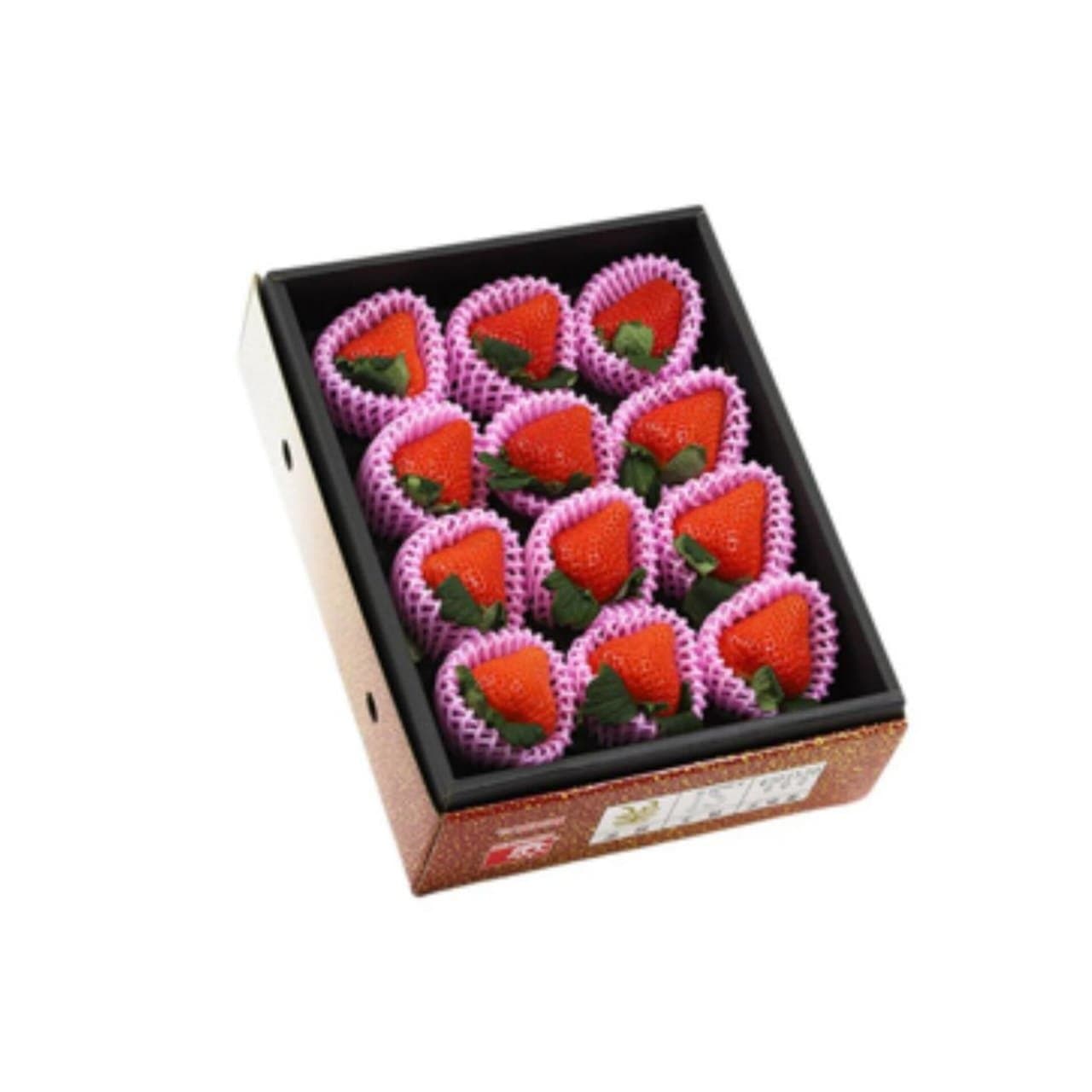 Rose family (nashi pear, strawberry, apple)
Japan's largest premium strawberry — each berry the size of a small peach, individually graded, individually wrapped.
Open the guide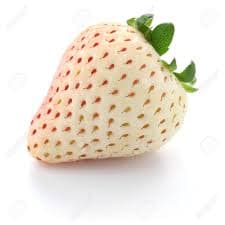 Rose family (nashi pear, strawberry, apple)
Cultivated on Shikoku and selected for honey-sweetness over size.
Open the guide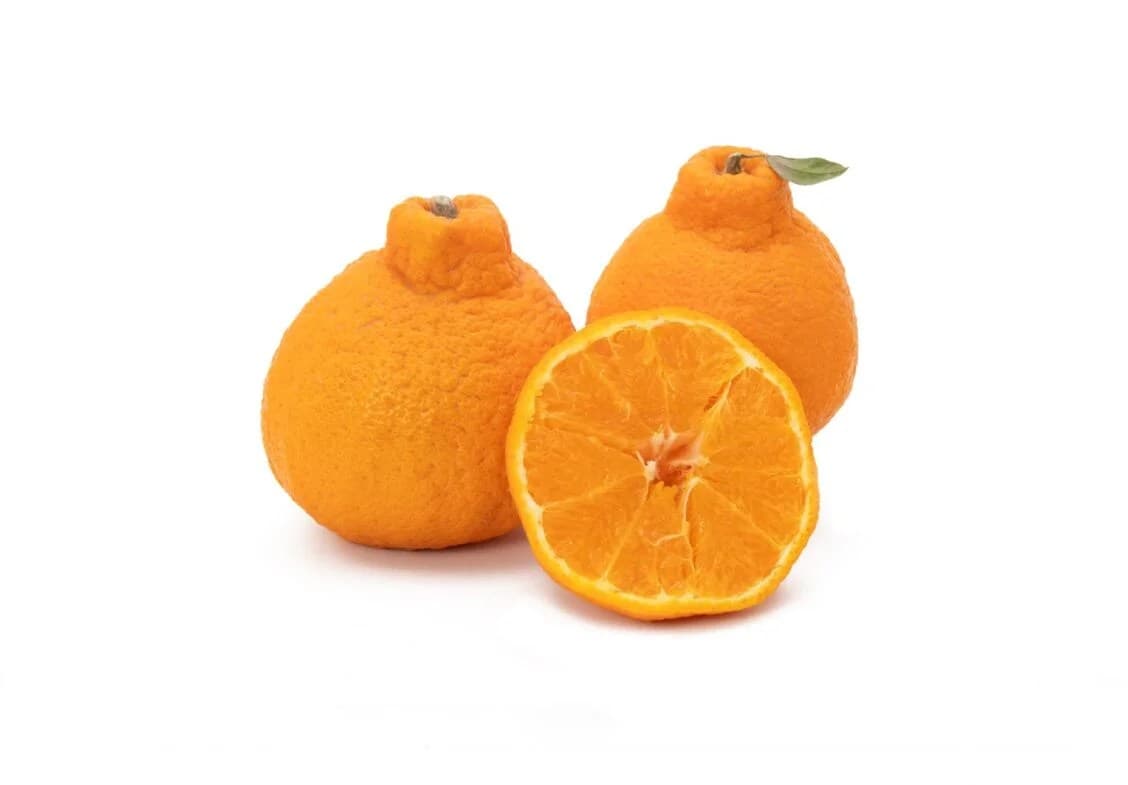 Citrus family (kumquat, sumo)
A seedless, bump-topped Japanese mandarin originally bred in Kumamoto and selected for maximum sweetness.
Open the guide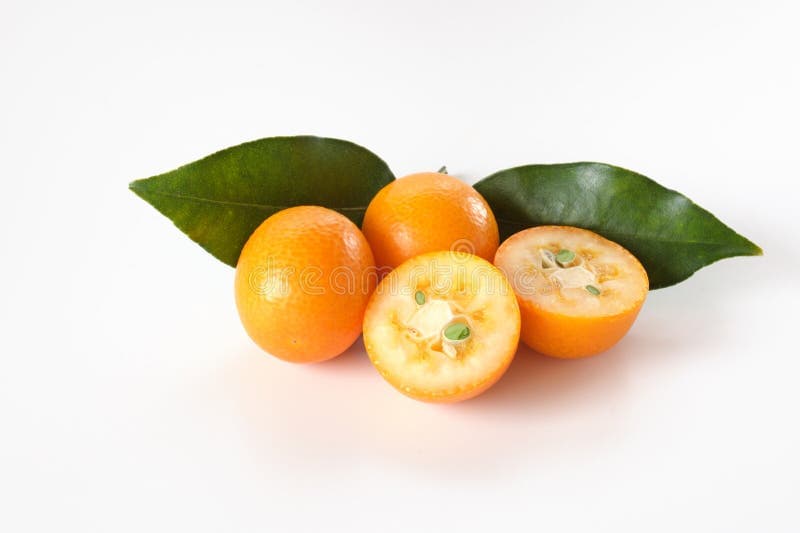 Citrus family (kumquat, sumo)
Bigger and meaningfully sweeter than the supermarket kumquat — Japanese growers select for thin, candy-sweet peel and reduced acid in the flesh.
Open the guide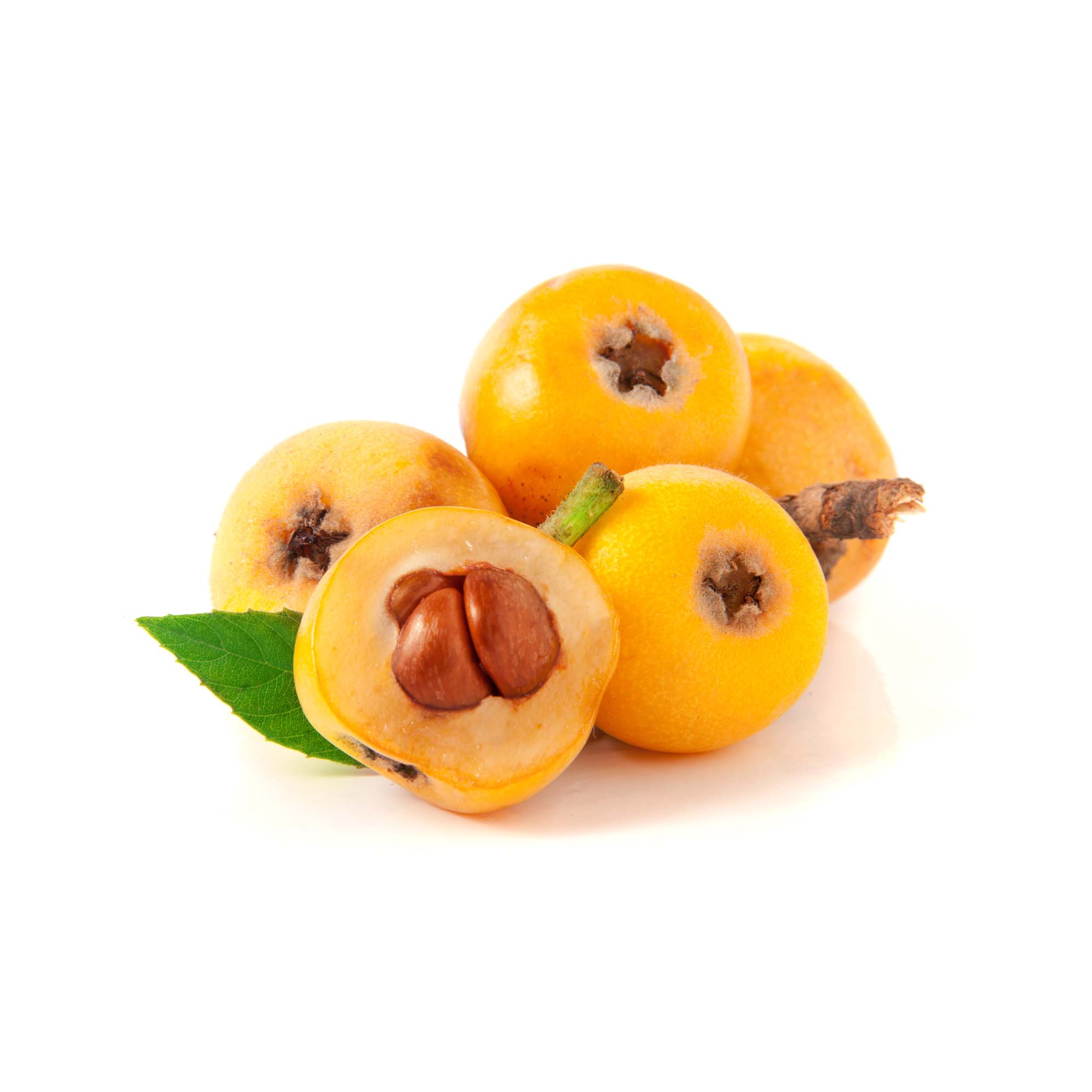 Rose family (nashi pear, strawberry, apple)
Apricot-gold fruit that only appears for a few weeks in late spring.
Open the guide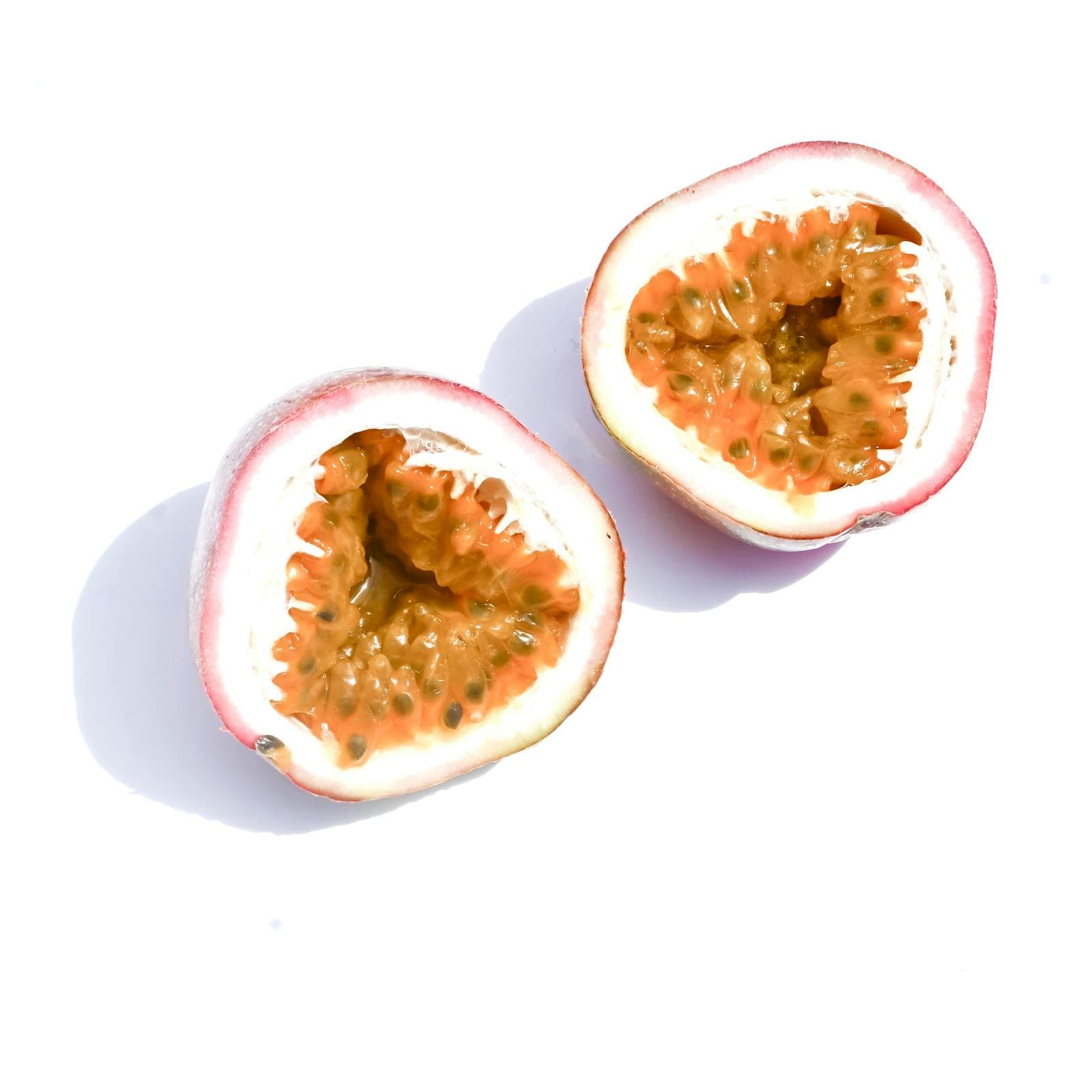 Passion fruit family
The Japanese cultivar runs larger, pulpier and markedly sweeter than the South American passion fruit most people know.
Open the guide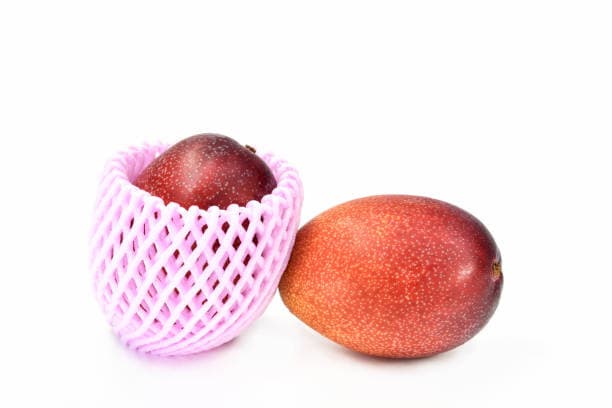 Cashew family (mango)
Grown to an exact weight, ripened on the branch, and shipped in a velvet-lined wooden box.
Open the guide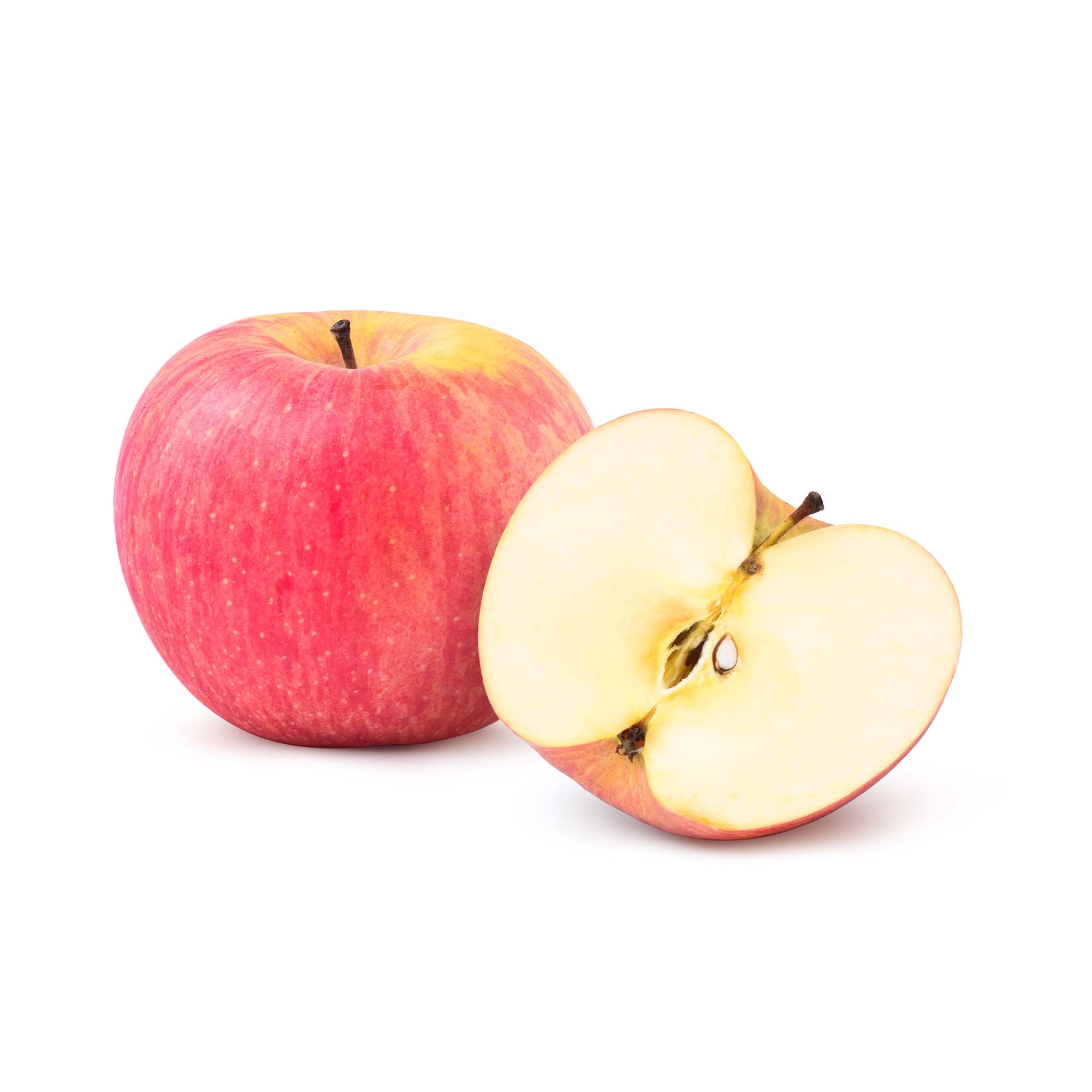 Rose family (nashi pear, strawberry, apple)
Snap-crisp, honey-sweet, and Japan's best-selling apple by a long way.
Open the guideA hybrid of cherimoya and sugar-apple — knobbled green skin hides a snow-white pulp that scoops out like soft ice cream.
Open the guideRusset-brown skin, salmon-orange flesh, single mahogany seed.
Open the guideSlim citrus pods that look ordinary until you slice them — tiny pearls of lime burst out like roe, popping between the teeth.
Open the guideA small Mexican mango bred for pure sweetness — fibre-free, butter-textured, honey-sweet.
Open the guideThe Costa Rican mini-pineapple.
Open the guideThe deep-magenta cultivar of prickly pear.
Open the guideThe yellow cultivar of prickly pear — milder, paler, less staining than the red.
Open the guide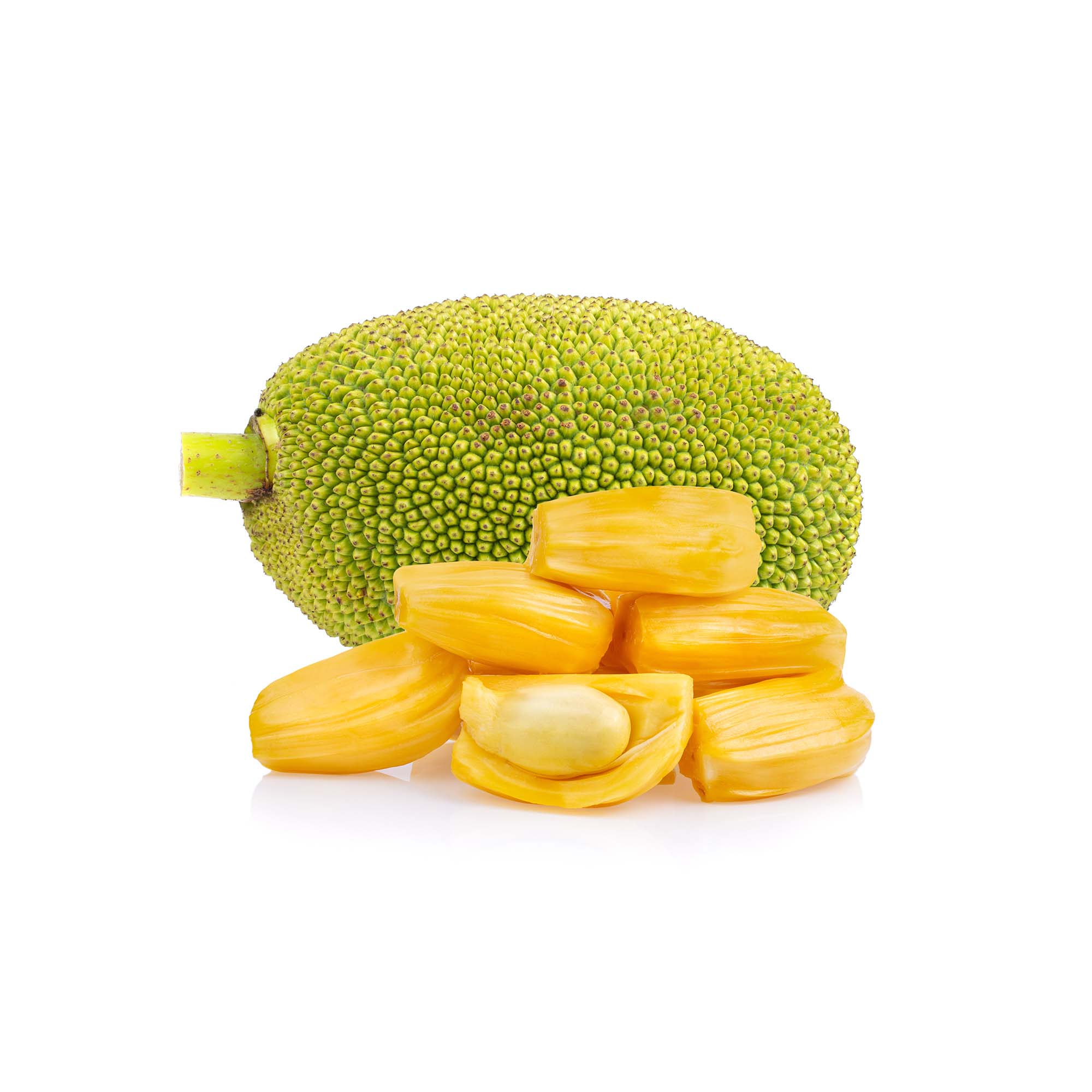 Mulberry & jackfruit family
The largest tree fruit in the world — broken into golden pods of bubblegum-tropical sweetness.
Open the guideThe rarer red-fleshed cultivar — reddish-orange pods instead of golden, smokier perfume, more complex than the standard yellow.
Open the guideLychee's quieter cousin.
Open the guideWhat's in a guide
Skin colour, smell, weight, give. The cues that change the difference between a magenta dragon fruit and an unopened cactus.
Where to cut, what to scoop, what to peel. Generic across the catalogue with cultivar-specific notes built into every page.
A squeeze of lime, a pinch of salt, a slab of cheese. The minimum-effort partners that make a strange fruit taste like dinner.