

Welcome to the Tropics
Flavour profile
Every fruit we source with a juicy flavour profile. 16 fruits — click through for the preparation guide and current UK season.
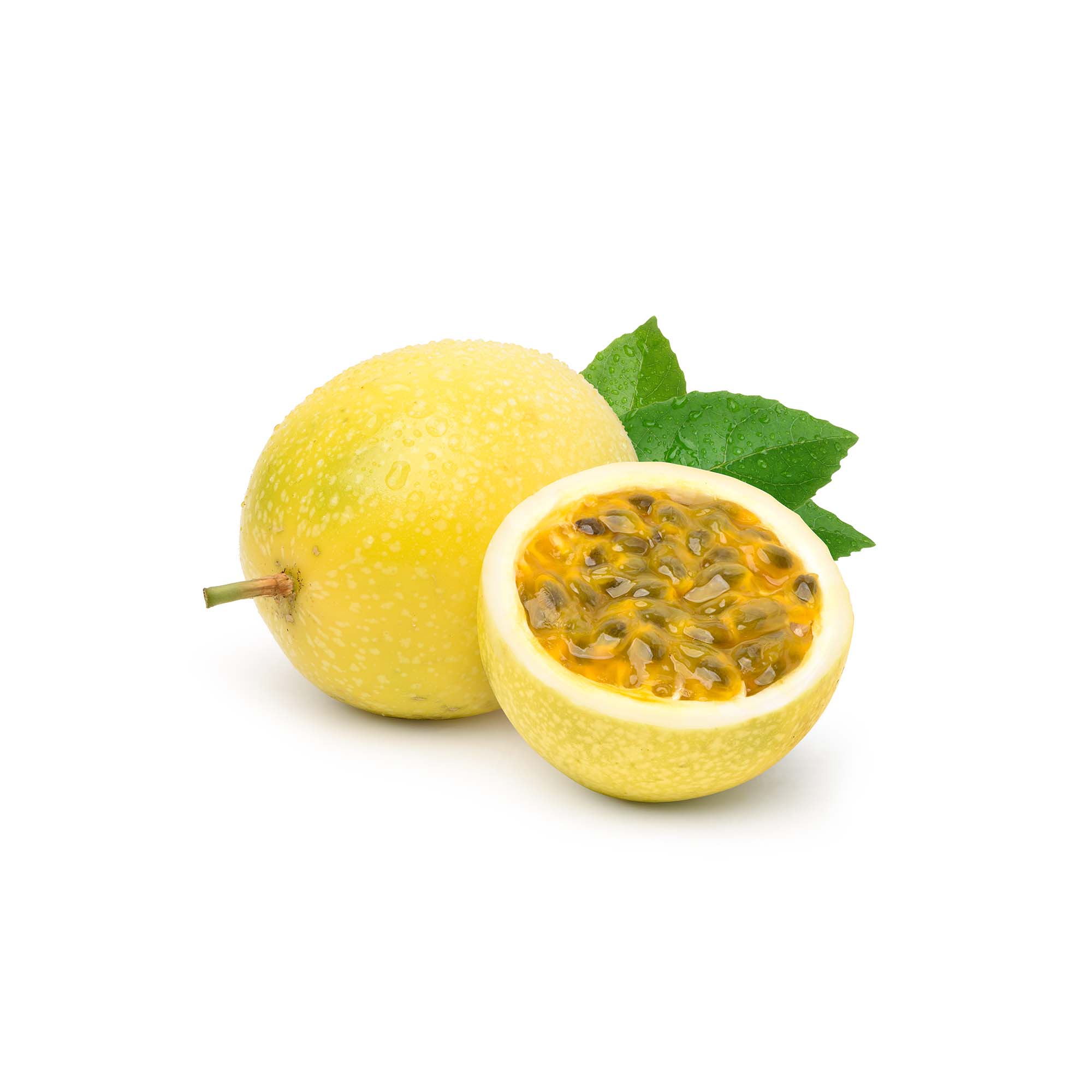
The yellow cousin of purple passion fruit — bigger, juicier, sharper. A single fruit yields enough pulp for two cocktails or a full mousse. Tartness sits closer to lime than perfume, which is why Latin American kitchens reach for maracuya when passion fruit alone would feel too floral.
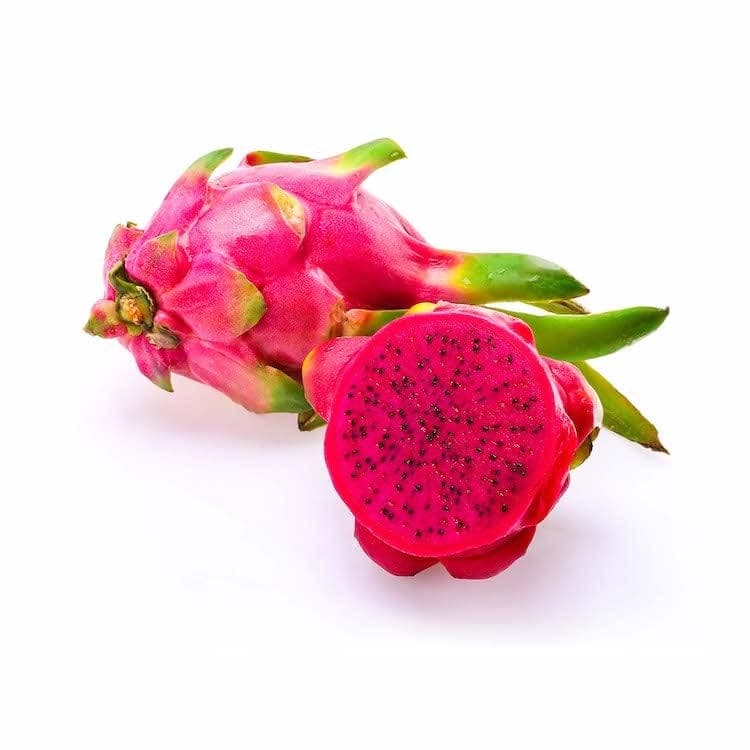
Pink leathery skin, then magenta flesh so saturated it stains the chopping board. Of all the dragon fruits this one carries the most flavour — kiwi, watermelon and a hint of sweet beetroot, with crunchy black seeds dotted through. Cold from the fridge it eats like sorbet you didn't have to make.
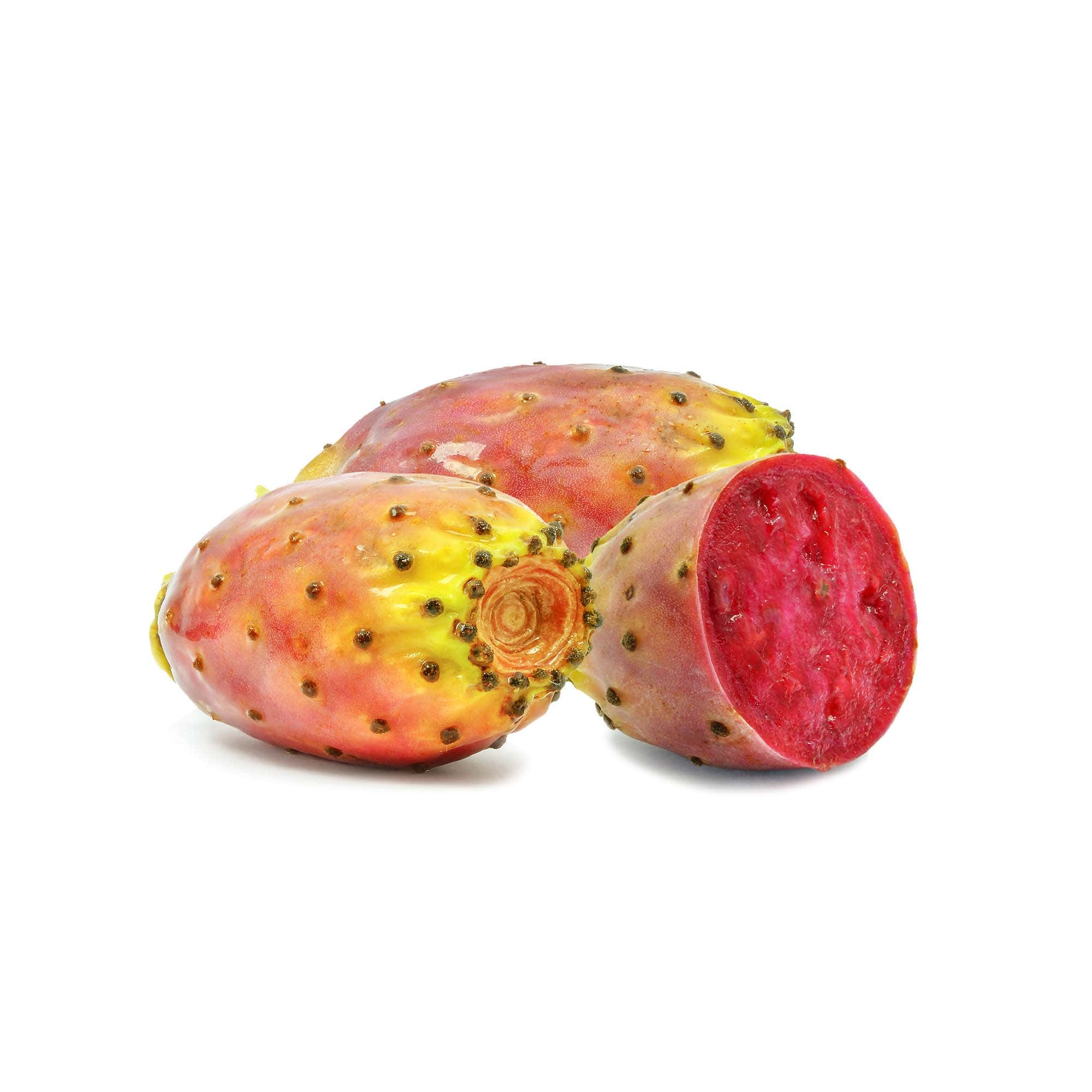
Known as tuna across Mexico. Watermelon meets strawberry meets a clean, earthy sweetness, with hard seeds you swallow rather than chew. Handle with a tea towel — even when the visible spines are gone, the glochids will catch you. Worth it for the colour alone.
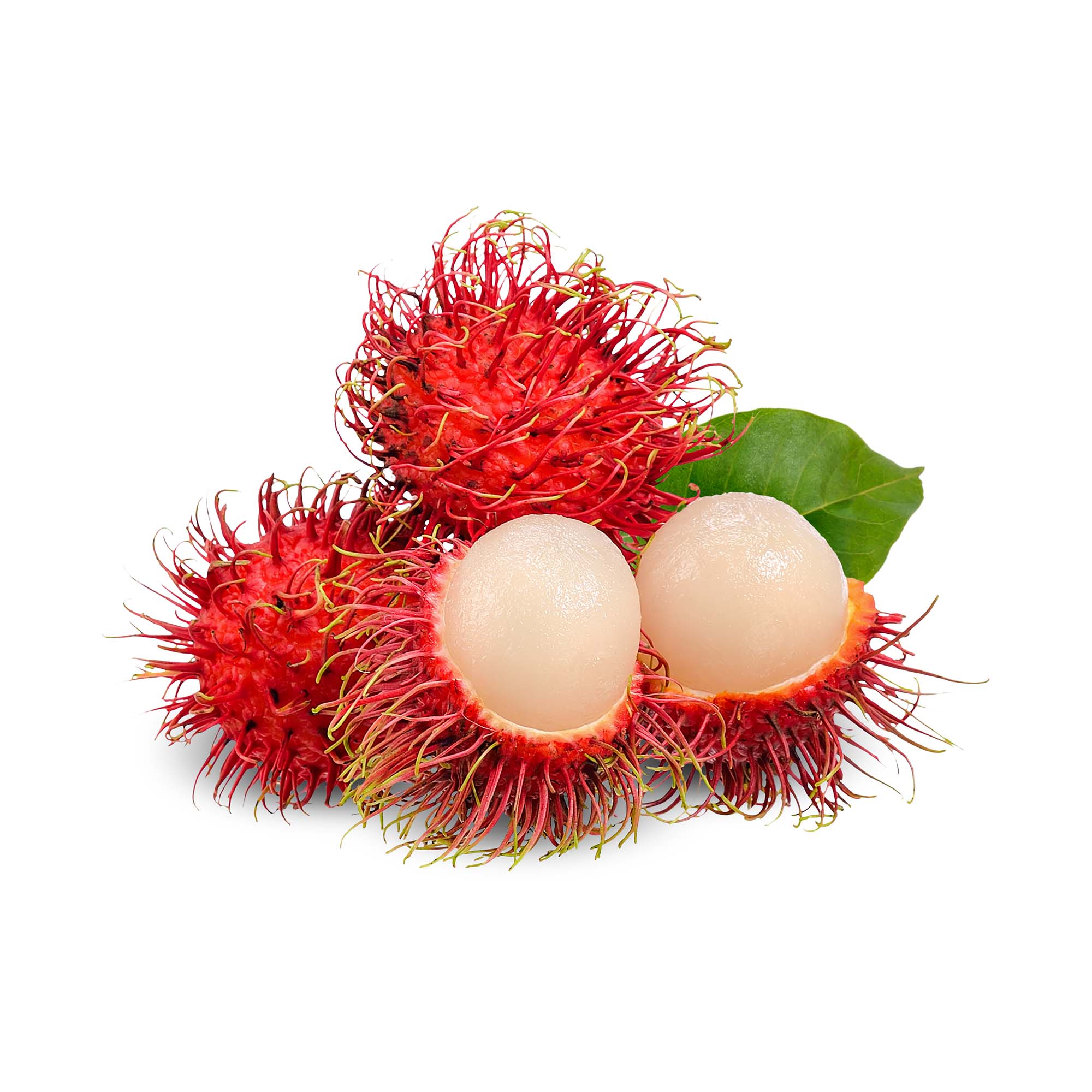
A red shell covered in soft hairs, peeled back to reveal translucent grape-like flesh around a single seed. The flavour is lychee turned a half-step softer — sweeter, jucier, gentler on the rose perfume. If lychee is a soprano, rambutan is the alto.
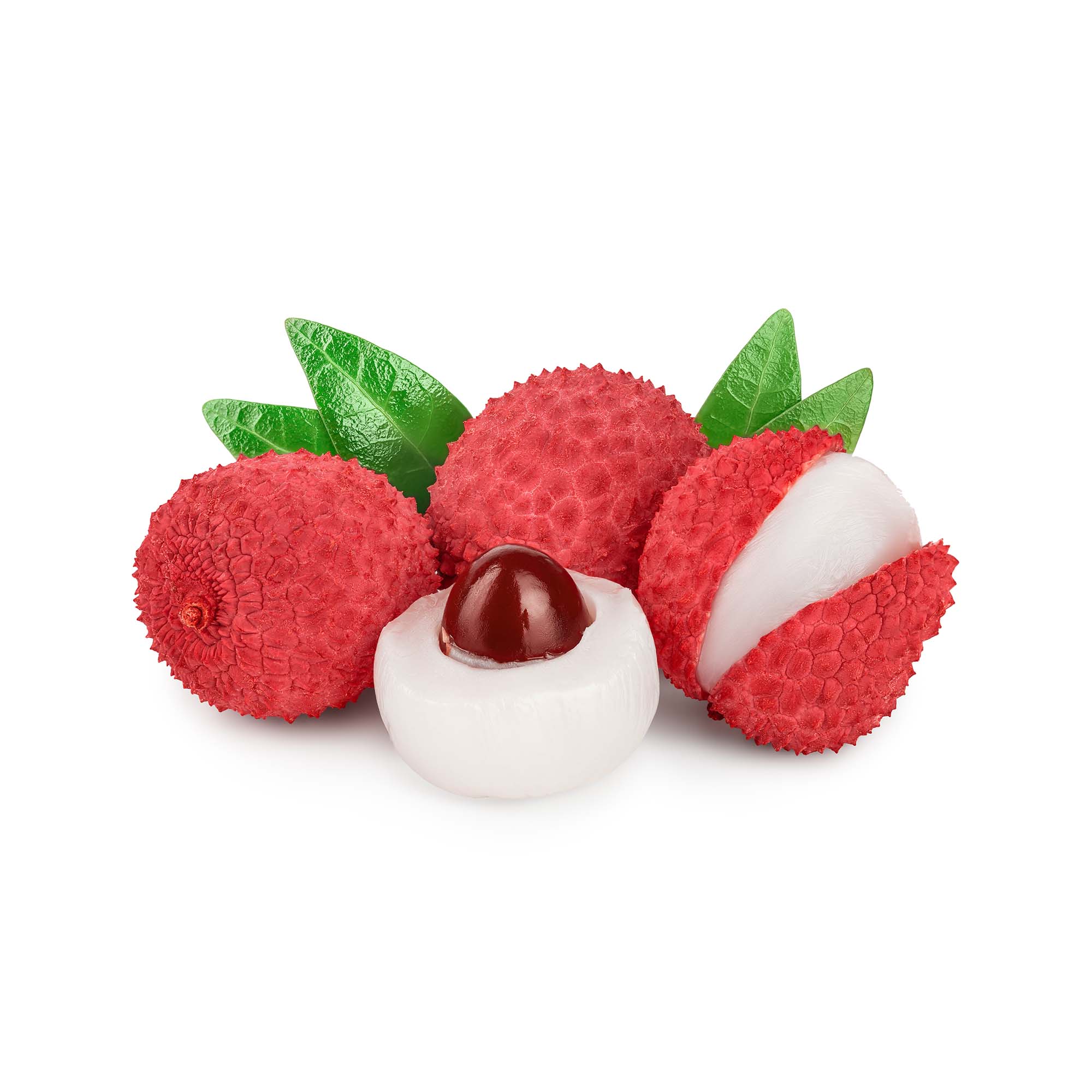
The rose-scented summer classic. A pink, knobbled shell cracks under a thumbnail to release translucent flesh around a polished mahogany seed. Sweet, floral, perfumed — the fresh fruit eats nothing like the tinned version most people grew up with. Eat cold, eat fast.
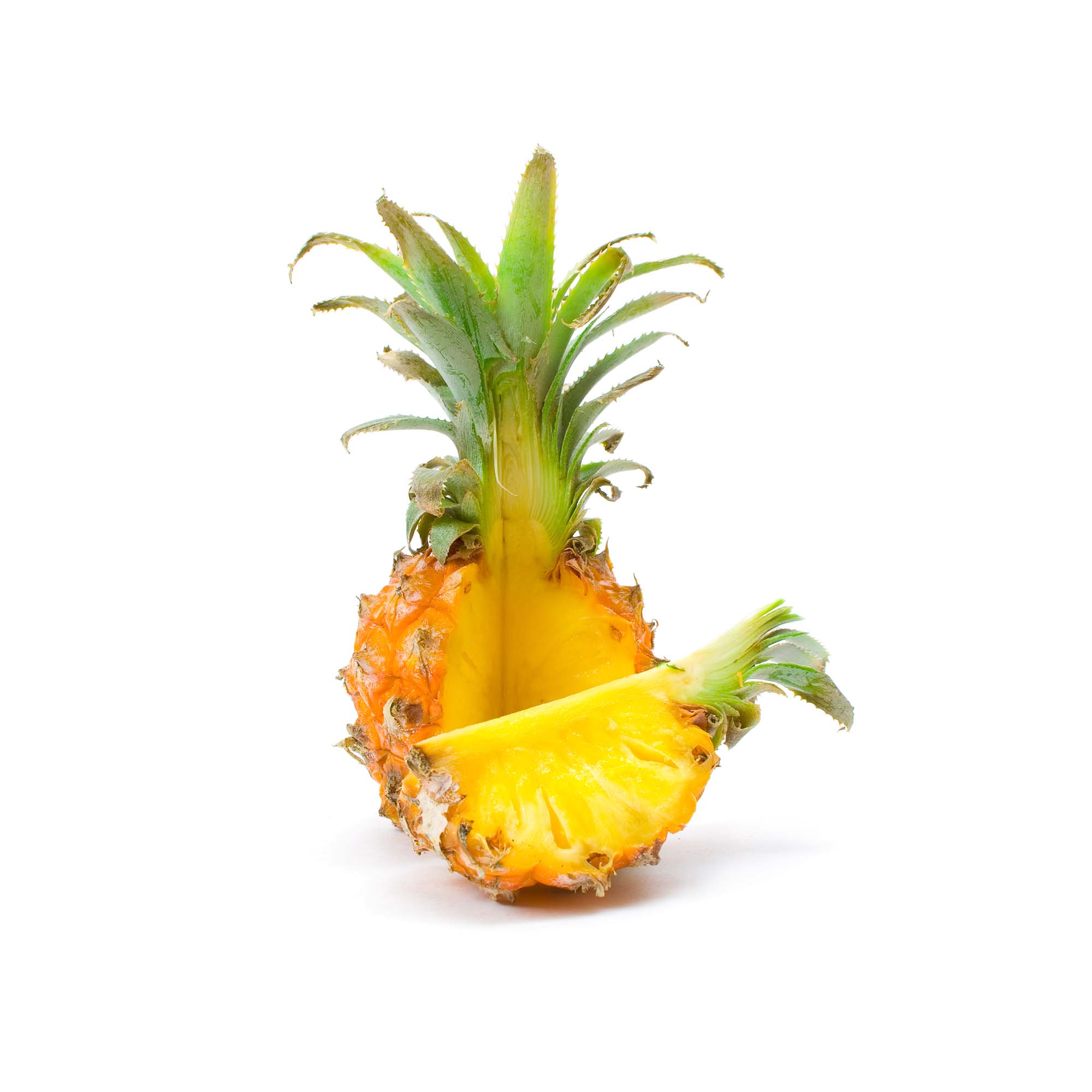
Entirely edible — core included. Sweeter, softer, lower-acid than the full-sized pineapple, and small enough that one fruit serves two people without leftovers. The crown is decorative, the flesh is dessert-grade, and the core is tender enough to eat without the wedge-and-discard ceremony.
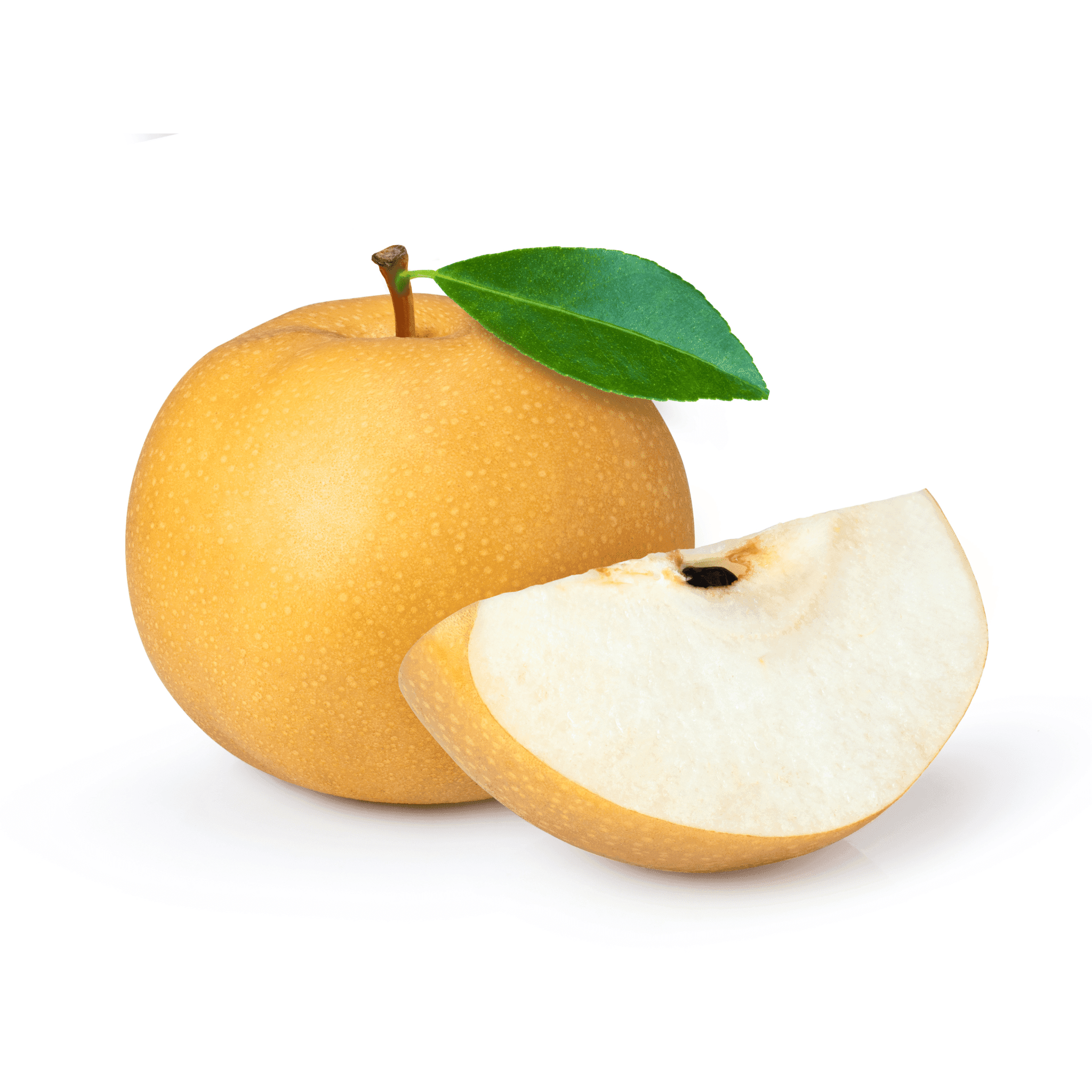
Round like an apple, snap-crisp like a water-rich pear, with a juice content that surprises everyone the first time. Mild floral sweetness, no graininess, no ripening waiting game — nashi is firm when it's at its best. Eat cold, unpeeled, or pair with blue cheese and a thin slice of prosciutto.
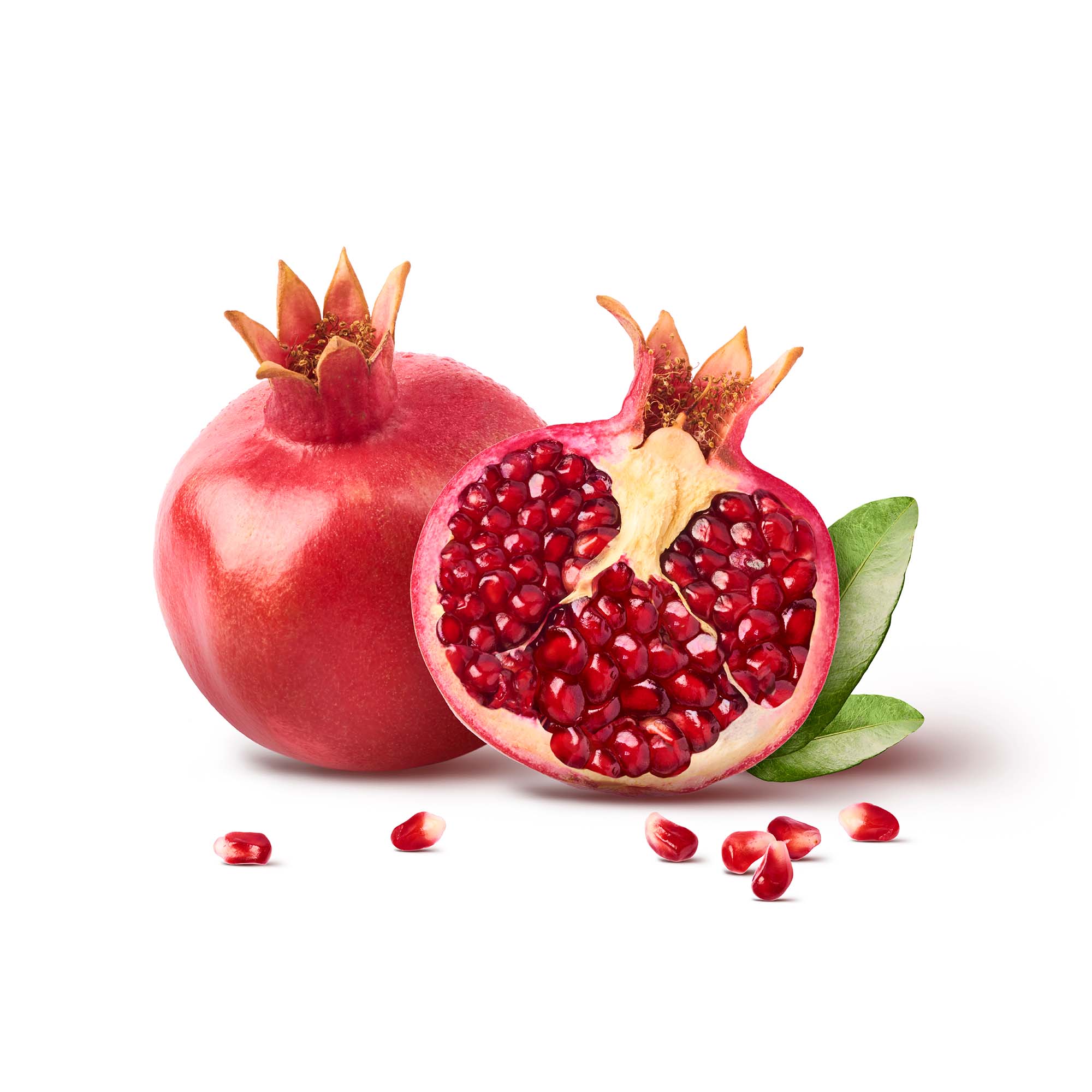
Hundreds of jewel-bright arils packed wall-to-wall under a leathery rind. Each one cracks between teeth into sweet-tart juice and a crunchy seed. The fruit that's been around since the Bronze Age — and there's a reason it's never gone out of fashion.
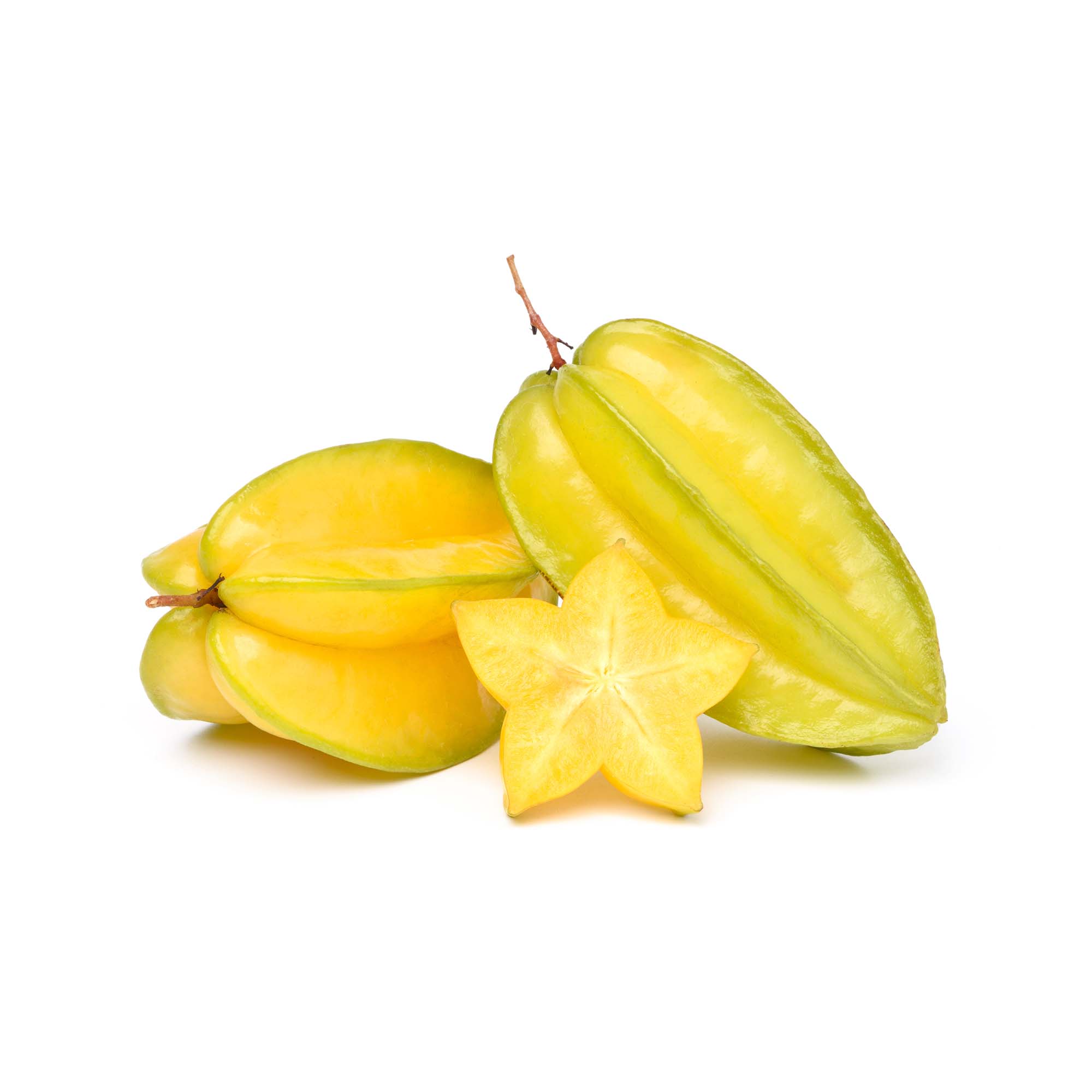
Slice across the ribs and every cross-section is a perfect five-point star. The flavour sits between green apple and a soft citrus — refreshing, juicy, never sweet enough to dominate. Made for fruit plates, garnishes, and any drink that wants a star floating on top.
 Premium
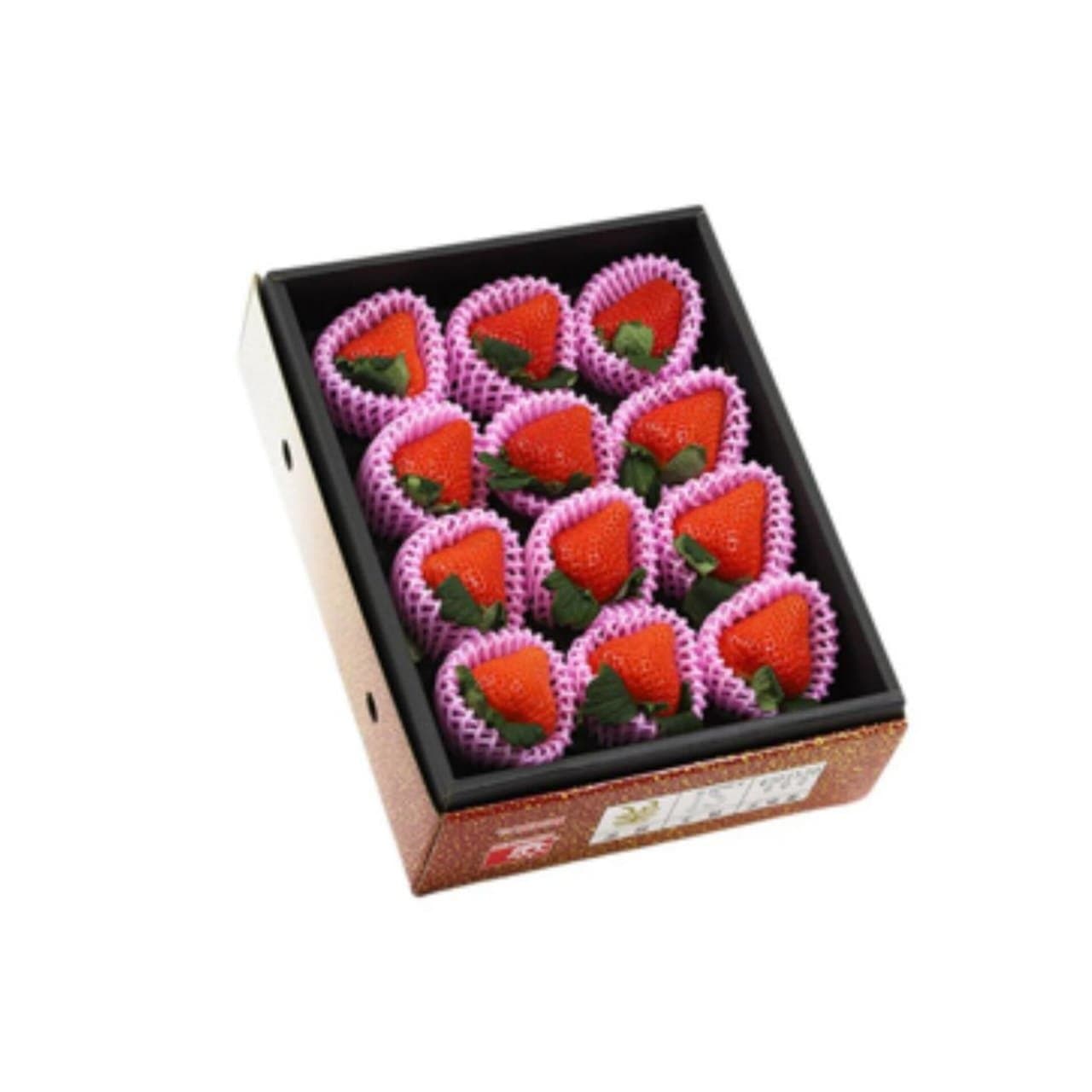
Japan's largest premium strawberry — each berry the size of a small peach, individually graded, individually wrapped. Deeply sweet, low in acid, with a perfumed finish that tastes engineered, because it is. Selected from Miyazaki growers and flown in to land in punnets the same week.
 Premium
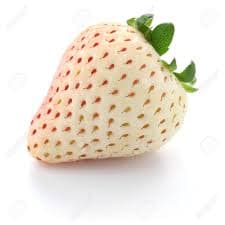
Cultivated on Shikoku and selected for honey-sweetness over size. Barely acidic, intensely hydrated — bite into one and the juice runs down your wrist. A quieter, more elegant Japanese strawberry than the Okimi headliner, and the one many Japanese eaters quietly prefer.
 Premium
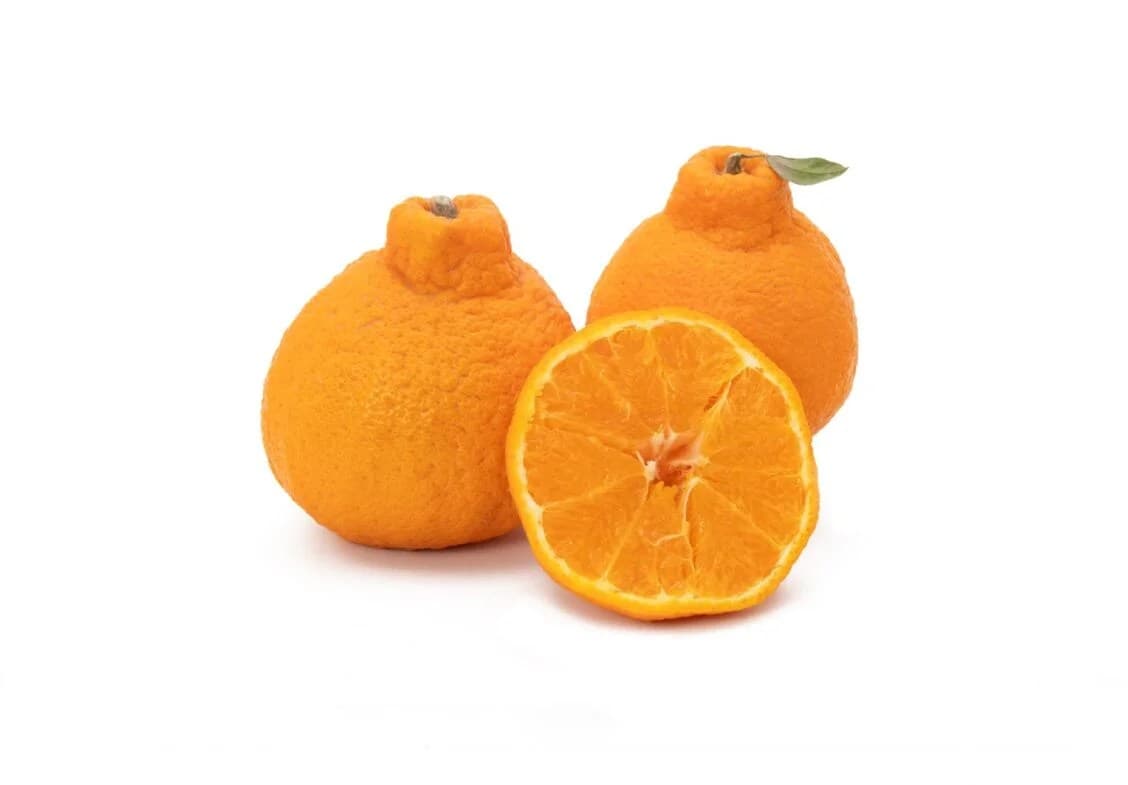
A seedless, bump-topped Japanese mandarin originally bred in Kumamoto and selected for maximum sweetness. The skin lifts off in one pull; the flesh inside reads as the richest orange you've ever had — concentrated sugar, low acid, and the cleanest citrus aroma in the family.
 Premium
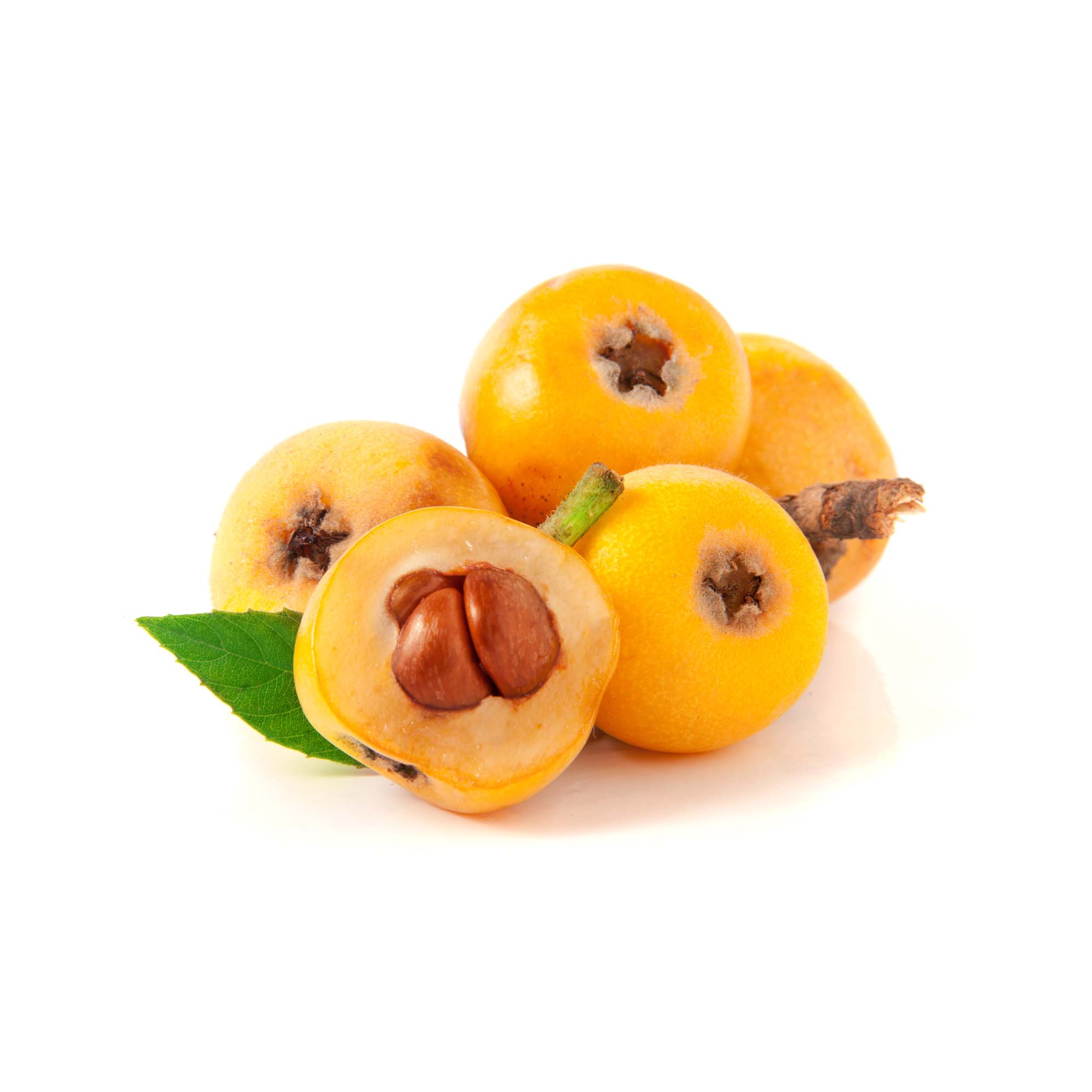
Apricot-gold fruit that only appears for a few weeks in late spring. Tastes somewhere between peach, mango and pear, with a clean floral edge and a juice content that overwhelms the small fruit it's hidden inside. Bruises if you look at it the wrong way — selected from gift-grade growers.
 Premium
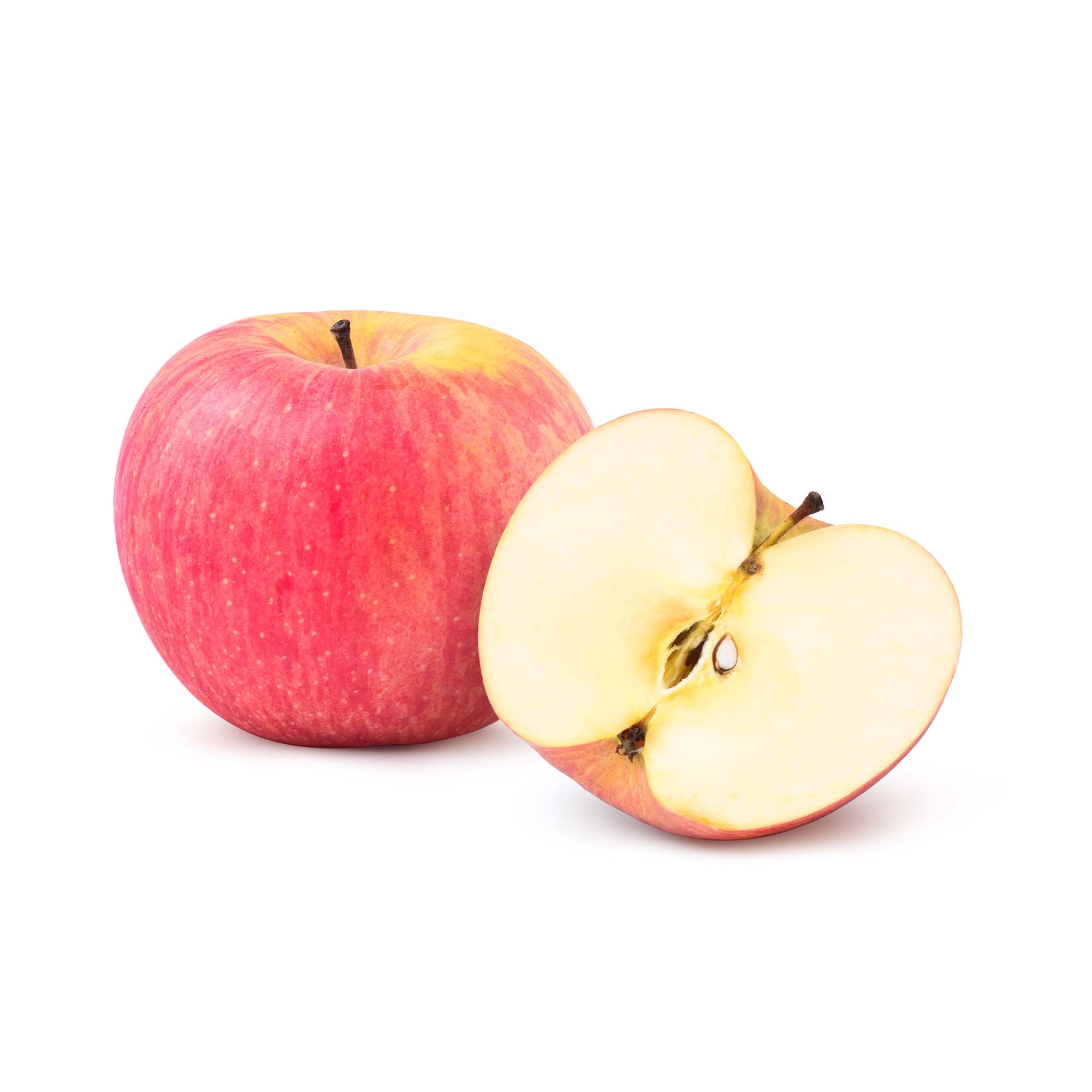
Snap-crisp, honey-sweet, and Japan's best-selling apple by a long way. Bred at Fujisaki in Aomori from a Red Delicious × Ralls Janet cross — low acidity, high sugar, and a texture that doesn't go floury for weeks. The platonic eating apple.
The Costa Rican mini-pineapple. Sweeter, lower-acid, edible core. The most fragrant pineapple on the bench — drinks like vanilla syrup, no tongue-burn from bromelain.
The yellow cultivar of prickly pear — milder, paler, less staining than the red. Watermelon meets honeydew with edible seeds. The gateway prickly pear if you're new to the family.
Profiles that tend to show up alongside juicy.